
Weight loss · education
Semaglutide vs Tirzepatide: How They Differ
Semaglutide and tirzepatide are two of the most talked-about weight-management medications, and patients often ask which one is "better." The honest answer is that they work differently, fit different people, and only matter inside a real plan with proper evaluation. This article explains the difference in plain language — it is educational only and not medical advice.
What to expect
Simply Health Integrated Medical helps patients understand symptoms, goals, and options before recommending a care path.
The next step is a consultation request or direct call so the team can determine whether the clinic is a good fit for your needs.
What these medications are
Semaglutide and tirzepatide both belong to a family of injectable medications that influence appetite and blood-sugar regulation. You may know them by brand names used for type 2 diabetes and for weight management. Both are prescription medications, both are most commonly given by injection for weight management (an oral semaglutide form also exists), and both are intended to be used alongside nutrition, activity, and ongoing follow-up — not as standalone fixes. Neither is appropriate for everyone, and candidacy is decided through evaluation, not by reading an article.
The core mechanical difference
Semaglutide acts on a single hormone pathway known as GLP-1, which helps regulate appetite, fullness, and how quickly the stomach empties. Tirzepatide acts on two pathways — GLP-1 plus a second one called GIP. Because tirzepatide engages two receptors instead of one, it is sometimes described as a "dual" medication. That is the simplest way to picture the difference: one lever versus two. Whether two levers is the right choice for a specific person depends on their health history, goals, tolerance, and other factors a clinician reviews individually.
Why "which is stronger" is the wrong question
Patients often want a ranking, but the more useful question is fit. Side-effect tolerance, other medical conditions, current medications, cost and access, and how a person responds over time all shape whether either medication belongs in a plan — and which one. Two people with similar goals can do best on different options. That is exactly why an evaluation-first approach matters: the medication is one variable, not the whole plan.
Common side effects and why follow-up matters
Both medications commonly cause digestive side effects, especially early on — nausea, reduced appetite, and changes in digestion are frequently reported. Most are managed with careful dosing and pacing, which is one reason ongoing follow-up matters rather than a set-and-forget prescription. Some people should not use these medications at all based on their history. A clinician reviews risks, alternatives, and warning signs as part of candidacy — this article cannot do that for you.
Medication is a tool, not the whole plan
At Simply Health Integrated Medical, weight management is built around evaluation, real food, metabolic and hormone work, and coaching — with medication considered only when it fits the individual. The clinic's emphasis is on sustainable change and avoiding permanent medication dependence where possible, including supporting patients who want to transition off GLP-1 medications. The drug name matters far less than the plan around it and the person it is built for.
How candidacy is decided
Deciding whether semaglutide, tirzepatide, or neither belongs in a plan starts with a conversation about your goals, your health history, what you have already tried, and what is realistic. From there, the team reviews appropriate options and explains the trade-offs in plain language. The point is a recommendation that fits you — not a default prescription.
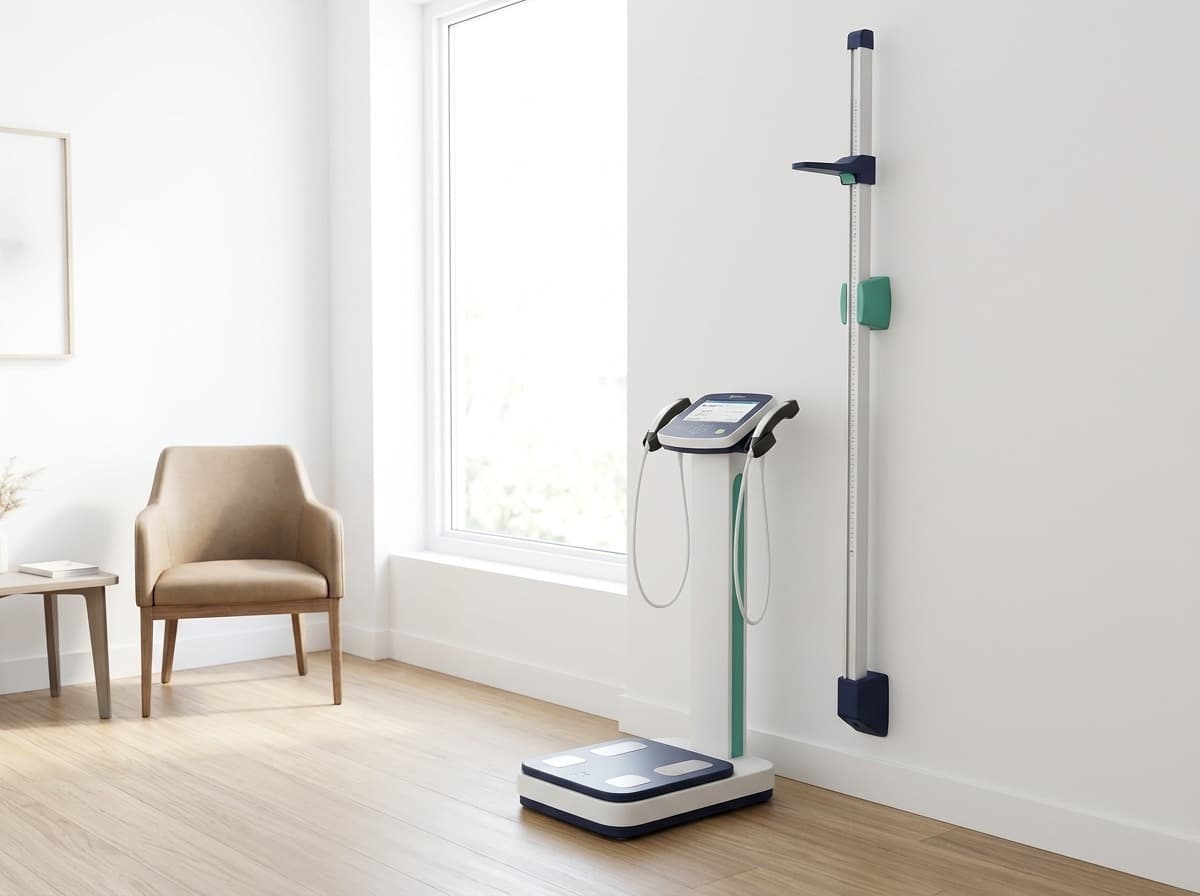
Inside our St. Louis weight loss clinic


Frequently asked
Common questions
▸Is tirzepatide better than semaglutide?
Neither is universally "better." They work through different pathways — semaglutide through GLP-1, tirzepatide through GLP-1 plus GIP — and the right choice depends on an individual's health history, goals, tolerance, and other factors reviewed during an evaluation. This is educational information, not a recommendation.
▸What is the main difference between semaglutide and tirzepatide?
Semaglutide acts on one hormone pathway (GLP-1), while tirzepatide acts on two (GLP-1 and GIP). Beyond that mechanical difference, the practical question is which one — if either — fits a specific person inside a complete plan.
▸Are these medications a long-term solution?
They are tools used alongside nutrition, activity, and follow-up — not standalone fixes. Simply Health Integrated Medical emphasizes sustainable change and, where possible, avoiding permanent medication dependence, including support for patients transitioning off GLP-1 medications.
▸How do I find out if I'm a candidate?
Candidacy is decided through an individualized evaluation that reviews your goals, health history, current medications, and what you have already tried. Call (636) 590-4686 or request a consultation to start that conversation.
Next step
Ready to find the right next step?
If this page sounds like what you are looking for, request a consultation or call the office so the team can help you choose the right starting point.