

Medical weight loss
Medical Weight Loss
Medical weight loss is for patients who need more than another diet plan and want a clinically guided conversation about appetite, metabolism, GLP-1 options, safety, nutrition, and long-term maintenance. At Simply Health Integrated Medical, the first step is not a prescription — it is a candidacy review that helps determine whether medical, natural, or combined support makes the most sense.
What to expect
Simply Health Integrated Medical helps patients understand symptoms, goals, and options before recommending a care path.
The next step is a consultation request or direct call so the team can determine whether the clinic is a good fit for your needs.
Quick assessment
Is Medical Weight Loss Right for You?
Answer 10 questions about appetite, cravings, metabolism, weight history, GLP-1 interest, safety factors, and support needs to see whether a medical weight-loss consultation may be a reasonable next step.
Is Simply Health a GLP-1 weight loss clinic? Here is how it works
Yes, for patients who qualify. Simply Health Integrated Medical runs a supervised medical weight-loss program in which GLP-1 medications are prescribed and monitored through the clinic's clinical team, and only after an evaluation and labs show that medication is a reasonable fit. Nutrition, movement, and habit coaching run alongside the medication, and maintenance is planned from the first visit. If you are not a candidate, or you would rather not use medication, the same evaluation points you toward a natural or combined plan instead.
The clinic is in Creve Coeur at the I-64 and I-270 interchange, a short drive from Town and Country, Ladue, Chesterfield, Des Peres, Ballwin, Kirkwood, and the rest of west St. Louis County. The St. Louis location page has directions and the neighborhoods we serve. Visits are by appointment; book through the consultation form or call (636) 590-4686.
When medical weight loss may be worth considering
Some patients struggle with powerful hunger, cravings, food noise, insulin resistance, metabolic slowdown, or repeated weight regain despite serious effort. Medical weight loss may be worth evaluating when lifestyle-only attempts have not been enough and a supervised option could fit the patient's health picture.
Candidacy is not a formality. The FDA-approved GLP-1 medications for chronic weight management are labeled for adults above a body-mass-index threshold, or above a lower threshold when a weight-related health condition is also present, and they are approved for use alongside a reduced-calorie diet and more physical activity, not instead of them. Labeling also names people who should not take them, including anyone with a personal or family history of certain thyroid cancers or a related endocrine syndrome, and situations that call for extra caution, such as a history of pancreatitis or gallbladder problems. The clinical team walks through these with you at the evaluation. Meeting a weight threshold alone does not make someone a candidate, and missing it does not end the conversation about other support.
What GLP-1 medications do
GLP-1 medications work on pathways involved in appetite, fullness, and blood-sugar regulation. They can be powerful tools for selected patients, but they are not casual wellness products. Candidacy, dosing, side effects, contraindications, medication history, and follow-up need to be reviewed carefully.
Two categories of prescription incretin medication are now FDA-approved for chronic weight management: single-pathway GLP-1 options, and dual-pathway options that act on both the GLP-1 and GIP receptors. Both start at a low dose and step up over weeks so the body can adjust. Which category fits a given patient, if either, depends on history, other medications, tolerance, and goals.
How the program works: evaluation, labs, medication, monitoring, maintenance
1. **Evaluation.** A consultation covering your weight history, what you have already tried, current medications and conditions, and the labeling considerations above. 2. **Labs and baseline.** Metabolic and hormone markers are checked so that thyroid, insulin, and hormone problems are identified rather than assumed away, and a body-composition baseline is recorded so progress is measured in more than pounds. Weight-loss resistance is rarely just calories; this is where that gets sorted out. 3. **Candidacy decision.** The clinical team reviews the findings with you and lays out the realistic options: a GLP-1 medication, the natural program, or a combination. Nobody is pushed toward medication. 4. **Medication start and monitoring.** When a GLP-1 medication is appropriate, it is prescribed and monitored through the clinic's clinical team. Dosing starts low and is adjusted to how you respond and what side effects you notice. Nausea, diarrhea, constipation, vomiting, and stomach discomfort are the most commonly reported side effects, and gradual dose increases are the usual way to limit them, as the American Gastroenterological Association's 2022 guideline describes. Anything more serious is a reason to contact the clinic promptly, not to wait for the next visit. 5. **Nutrition, movement, and habit support.** Protein targets, meal structure, resistance or movement guidance when appropriate, hydration, and coaching run in parallel with the medication. 6. **Maintenance planning.** Long before any decision to lower the dose or stop, the plan for keeping progress is written down and practiced.
One safety note. The FDA does not verify the safety, effectiveness, or quality of compounded GLP-1 products, and it has received adverse-event reports involving them, including dosing errors that in some cases required hospitalization. Its advice is to get a prescription from a licensed clinician and fill it at a state-licensed pharmacy, using an FDA-approved product when one is available; the details are on the FDA's page on unapproved GLP-1 drugs. If you are already taking a compounded product, tell the clinical team at your evaluation so it can be factored into your plan.
Medication without strategy is incomplete
Successful medical weight loss still needs nutrition structure, protein planning, resistance or movement guidance when appropriate, hydration, habit support, and a plan for maintenance. The goal is not just seeing the scale move; it is helping the patient protect health, function, and long-term momentum.
What happens when the medication stops
Weight regain after stopping a GLP-1 medication is common. In the published trials that followed participants after treatment ended, a substantial share of the lost weight came back within a year. Those were trial populations, not this clinic's patients, and individual results vary, but the pattern is consistent enough that it should shape the plan from day one.
That is why the program treats maintenance as its own phase. Some patients stay on a lower dose under continued monitoring; some taper with a structured food, protein, and movement plan already in place; some move to the natural program. Which path fits is decided with the clinical team, and no one should stop, taper, or change a dose on their own. The post-GLP-1 weight maintenance page explains how that transition is handled.
Medical, natural, or combined?
Not every patient needs medication, and not every patient is a candidate. Some people are better served by the natural weight-loss program, a functional medicine evaluation, hormone review, or a phased plan that starts with the most important roadblock first. Patients asking about peptides other than GLP-1 medications can read about peptide therapy for weight loss, which covers a different set of options with a different evidence base.
Find your safest next step
If you are wondering whether GLP-1 support or another medical weight-loss path is appropriate, take the metabolic quiz or request a consultation. The clinic can help you compare options without pressure and without pretending one plan fits everyone.
Simply Health Integrated Medical, 12977 N Forty Dr, Suite 105, St. Louis, MO 63141. Call (636) 590-4686. Visits are by appointment.
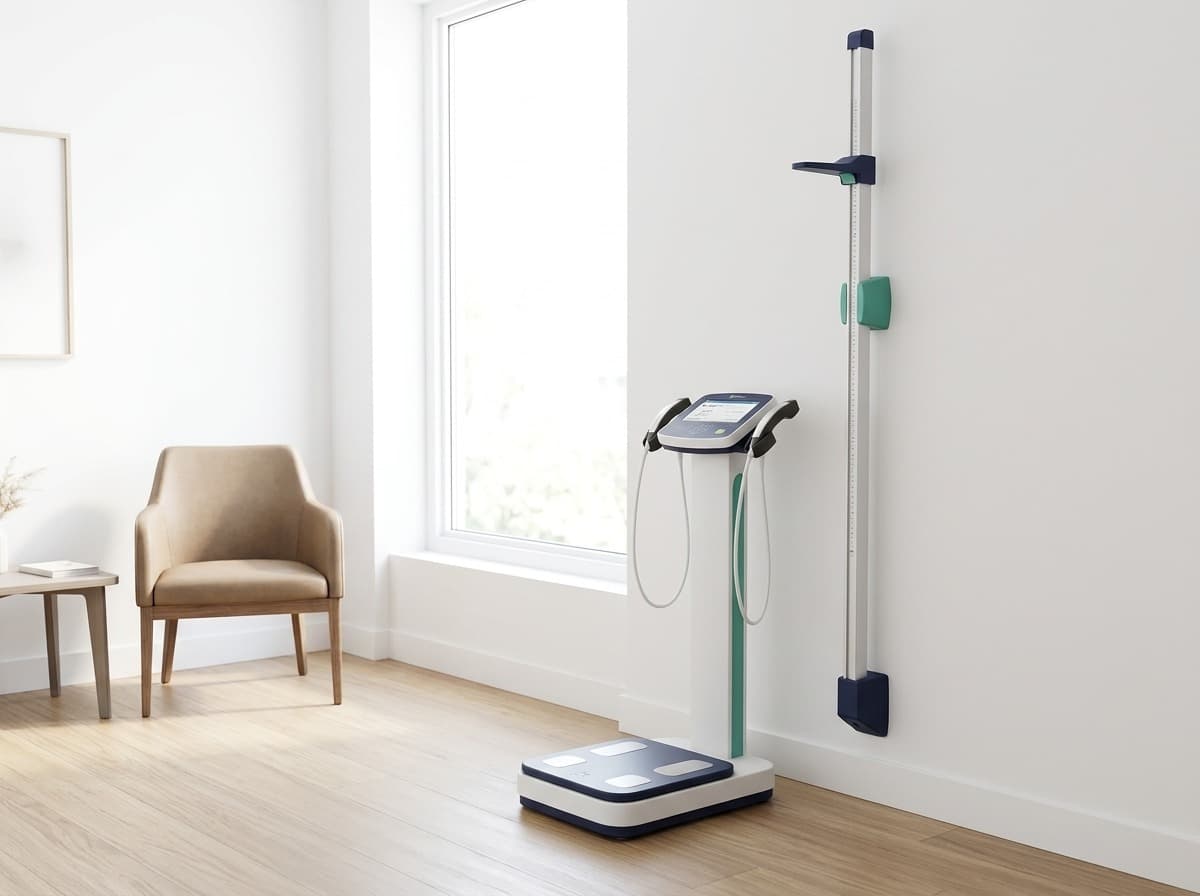
Inside our St. Louis weight loss clinic


Frequently asked
Common questions
▸Do you prescribe GLP-1 medications?
Yes, for patients who qualify after an evaluation. GLP-1 medications are prescribed and monitored through the clinic's clinical team as part of a supervised program that also covers nutrition, movement, and maintenance. The evaluation comes first.
▸Who is a candidate for medical weight loss?
Typically, adults who have not had enough success with lifestyle changes alone and who meet the weight thresholds in FDA labeling, on their own or combined with a weight-related condition. Medical history, other medications, and labeling exclusions also count, and some patients are steered toward a natural or combined plan instead.
▸What are the side effects of GLP-1 medications?
The most commonly reported side effects are digestive: nausea, diarrhea, constipation, vomiting, and stomach discomfort, usually most noticeable when a dose starts or increases. Labeling also carries warnings about less common but more serious risks, which the clinical team reviews with you before starting and watches for during treatment.
▸Do you use compounded GLP-1 medications?
Ask at your evaluation; medication decisions here are individualized. Going in, know that the FDA does not verify the safety, effectiveness, or quality of compounded products, has received adverse-event reports involving them, and advises filling a prescription at a licensed pharmacy with an FDA-approved product when one is available. If you are already on a compounded product, bring the details with you.
▸What does medical weight loss cost, and does insurance help?
Cost is reviewed at the evaluation, once the plan is clear. Some labs and certain prescriptions may have coverage depending on your plan and the indication; the program itself is typically not insurance-billed. Bring your insurance information so the team can help you sort out what is likely to be covered.
▸What happens after I stop the medication?
Weight regain after stopping is common, which is why maintenance is planned from the beginning: continued monitoring at a lower dose, a structured taper with nutrition and movement support already in place, or a move to the natural program. Do not stop or change a dose on your own; work through it with the clinical team.
Next step
Is medical weight loss the right fit?
A consultation helps the team understand your goals, health history, and whether this service belongs in your care plan. The goal is fit, clarity, and a practical recommendation — not a generic protocol.