

Condition page
Herniated Disc Treatment in St. Louis
Herniated and bulging discs can cause pain, nerve irritation, numbness, tingling, or sciatica-like symptoms — and a finding on an MRI does not automatically mean surgery is the answer. Simply Health Integrated Medical in St. Louis helps patients understand what these findings mean and whether HillDT-monitored spinal decompression, evaluated by Dr. Nick Hasenfratz, DC, is a reasonable conservative option for their case.
What to expect
Simply Health Integrated Medical helps patients understand symptoms, goals, and options before recommending a care path.
The next step is a consultation request or direct call so the team can determine whether the clinic is a good fit for your needs.
Quick assessment
Is Your Pain Pattern More Disc, Nerve, Joint, or Muscle-Related?
Use this quick self-check to organize your symptoms before reviewing non-surgical care options.
What patients are usually worried about
Patients often want to know whether the disc finding actually explains their pain, whether it is serious, and whether surgery — fusion, microdiscectomy, laminectomy — is the only option. A clear evaluation can help reduce confusion without making unrealistic guarantees. Many disc findings on imaging do not match the patient's pain pattern, which is part of why a clinical exam matters.
How HillDT spinal decompression fits in
For selected disc bulges and herniations with a confirmed clinical correlation, HillDT-monitored spinal decompression can be a reasonable conservative option to evaluate. The system delivers controlled, computer-monitored distraction designed to change the pressure environment around the disc and nerve root — not a static traction belt and not a generic decompression table. Dr. Nick Hasenfratz performs the candidacy evaluation.
How this fits into care planning
Evaluation may point toward HillDT spinal decompression, targeted chiropractic care, regenerative therapy for select tissue-repair scenarios, broader pain management planning, or surgical referral depending on symptom pattern, neurological findings, and history. The goal is to identify what fits — not to force every patient into the same protocol.
Related concerns
Disc-related concerns often overlap with sciatica, chronic back pain, degenerative disc disease, and questions about avoiding back surgery. Reviewing those related pages can help patients see how the pieces fit together before requesting a consultation.
When disc symptoms need urgent referral
Not all disc findings cause pain, and not every case is appropriate for conservative care. Progressive weakness, bowel or bladder changes, saddle numbness, severe trauma, or rapidly worsening neurological symptoms require urgent evaluation — not stretching out conservative care.
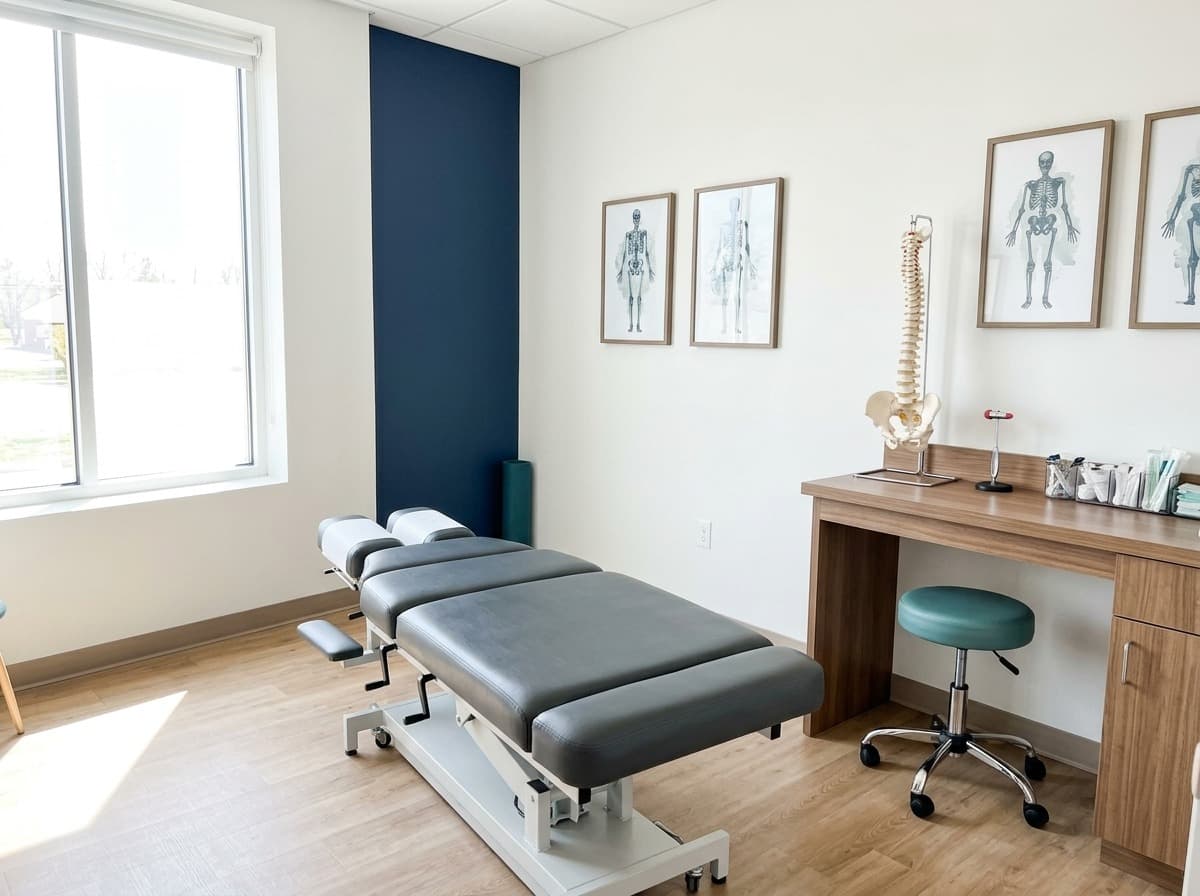
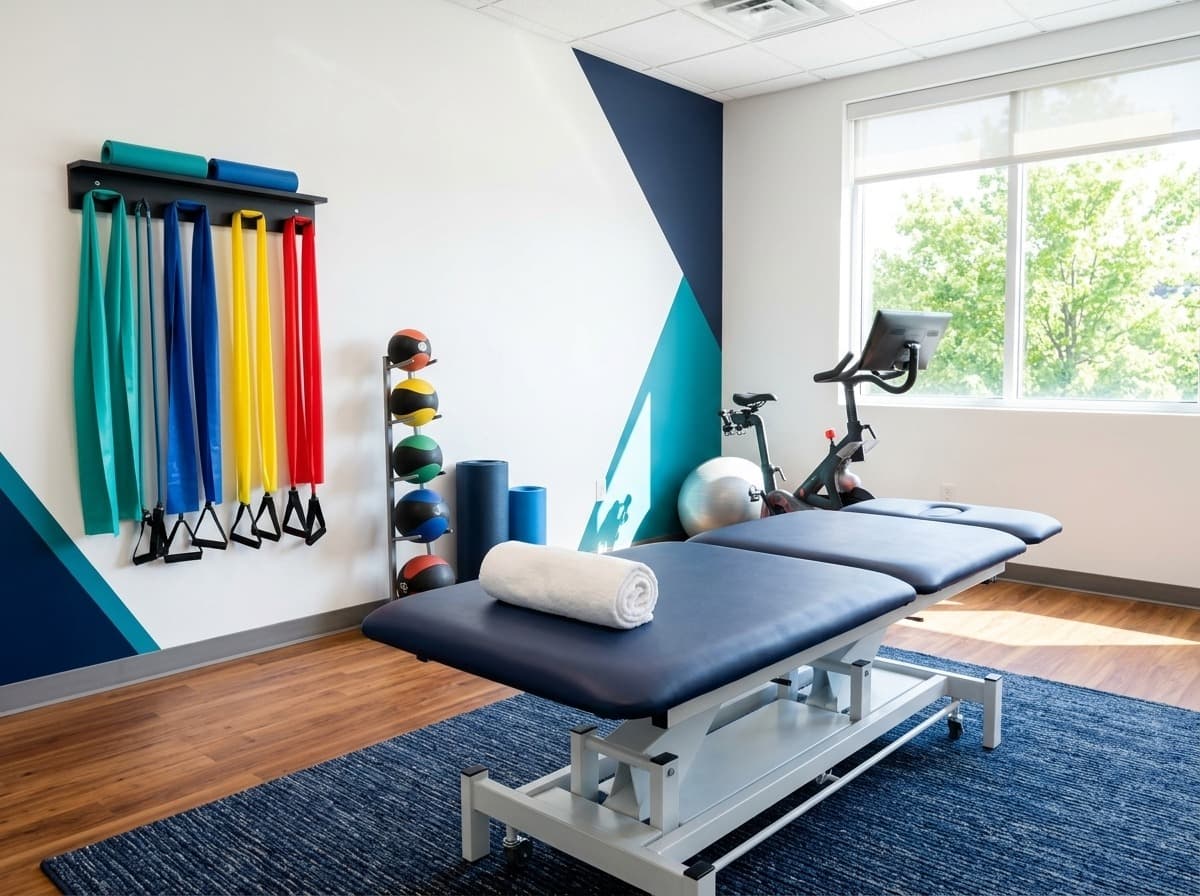
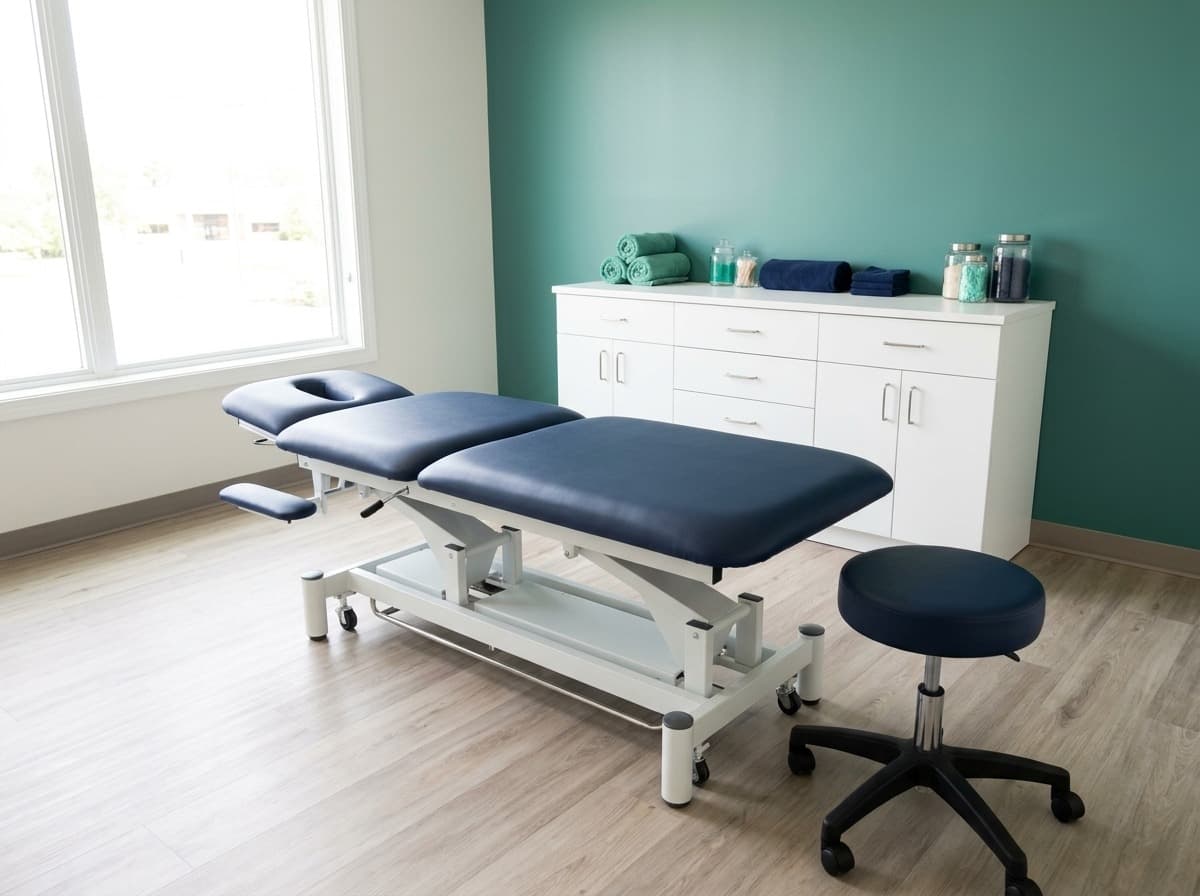
Inside our St. Louis disc care clinic
Frequently asked
Common questions
▸Where can I get herniated disc treatment in St. Louis?
Simply Health Integrated Medical at 12977 N Forty Dr, Suite 105, St. Louis, MO 63141 offers herniated and bulging disc evaluation, including HillDT-monitored spinal decompression candidacy check by Dr. Nick Hasenfratz, DC. By appointment 24/7. Call (636) 590-4686.
▸Can a herniated disc heal without surgery?
Many herniated discs improve with structured conservative care. HillDT spinal decompression for selected disc-related patterns, targeted chiropractic care, regenerative therapy for select cases, and movement-based rehab are common non-surgical paths. Surgery may be the right call for progressive neurological deficits, severe instability, or red flags — which is part of what the candidacy evaluation determines.
▸What is the difference between a herniated and a bulging disc?
A bulging disc is a broader, generally symmetric extension of the disc beyond its normal margin. A herniated disc is a more focal displacement where the inner disc material pushes through the outer wall and can compress a nerve root. Both can cause pain — and not all bulges or herniations actually do. A clinical exam matters more than the imaging label alone.
▸Can spinal decompression help a herniated disc?
For selected herniations with a confirmed clinical correlation, HillDT-monitored spinal decompression can be a reasonable conservative option to evaluate. Decompression is not appropriate for every disc finding — candidacy depends on symptom pattern, neurological signs, imaging, and red flags.
▸How long does a herniated disc take to heal?
Healing timelines vary by disc level, herniation type, and the patient's response to care. Many patients see meaningful improvement within 6 to 12 weeks of structured conservative care. The candidacy evaluation sets measurable milestones at the start so progress can be tracked honestly rather than guessed.
▸Should I get an MRI for a herniated disc?
An MRI is helpful when red flags are present, when symptoms have not responded to initial conservative care, or when a clinical exam suggests a specific lesion that imaging would confirm. Imaging is also useful before a decompression candidacy evaluation when available. Routine imaging without indication often shows findings that do not match the patient's pain.
Next step
Not sure what is causing your herniated and bulging discs?
Symptoms can have more than one driver. The clinic can help you review what you are experiencing, what you have already tried, and which non-surgical or integrative options may fit.