

Spine care comparison
Chiropractor vs Spinal Decompression
Chiropractic adjustment and spinal decompression often get conflated, but they do different jobs. Chiropractic care primarily addresses joint and segmental mobility patterns through targeted adjustment. Spinal decompression — particularly HillDT-monitored decompression — addresses disc and nerve-related pressure patterns through controlled distraction. Simply Health Integrated Medical in St. Louis offers both, and the right answer for any given patient depends on what is actually driving the symptoms.
What to expect
Simply Health Integrated Medical helps patients understand symptoms, goals, and options before recommending a care path.
The next step is a consultation request or direct call so the team can determine whether the clinic is a good fit for your needs.
Different tools, different jobs
Chiropractic adjustment delivers a precise, hands-on force to a specific spinal joint to restore normal motion at that segment. It is most useful for joint and segmental mobility problems — restricted segments, facet irritation patterns, posture-related stiffness, and certain pain patterns that respond to mobility restoration. Spinal decompression, on the other hand, uses controlled distraction to change the pressure environment around discs and nerves — primarily for disc bulges, disc herniations, degenerative disc disease, sciatica, and radiculopathy. Neither is universally better. They address different mechanical situations.
When chiropractic care is usually the right tool
Patients with joint or segmental restriction, posture-related stiffness, recent strains, sports-related tightness, headache patterns originating in the neck, or pain that responds to mobility work tend to do well with chiropractic care. The adjustment restores motion at the segment level and is often combined with movement work and ergonomic guidance.
When spinal decompression is usually the right tool
Patients with disc-related symptoms — radicular leg pain, arm pain in cervical disc cases, sciatica that has not responded to other care, MRI-confirmed disc bulges or herniations, or post-laminectomy syndrome — are more likely to be evaluated for HillDT-monitored decompression. The decompression changes the pressure environment around the disc and nerve root in a way that adjustment alone is not designed to do.
When both are appropriate (often the case)
Many spine patients have both joint and disc components. The most common version: a patient with disc-related sciatica who also has segmental restriction at the levels above and below the disc. In that case, a combined plan — chiropractic care for the mobility piece and HillDT decompression for the disc piece — often makes more sense than either alone. The evaluation determines which mix fits the patient's actual presentation.
What an integrated evaluation looks like
At Simply Health Integrated Medical, the evaluation looks at symptom history, exam findings, prior imaging when available, neurological signs, and red flags. From there, Dr. Nick Hasenfratz or the broader chiropractic team can recommend chiropractic care, HillDT decompression, both, or referral if the situation calls for it. The benefit of an integrated clinic is that the same evaluator is competent to recommend either tool rather than defaulting to whichever one the clinic happens to own.
Request an integrated spine evaluation
If you are not sure whether you need a chiropractor, a decompression evaluation, or both, request an integrated spine evaluation. The next step is a real exam and an honest recommendation — not a script.
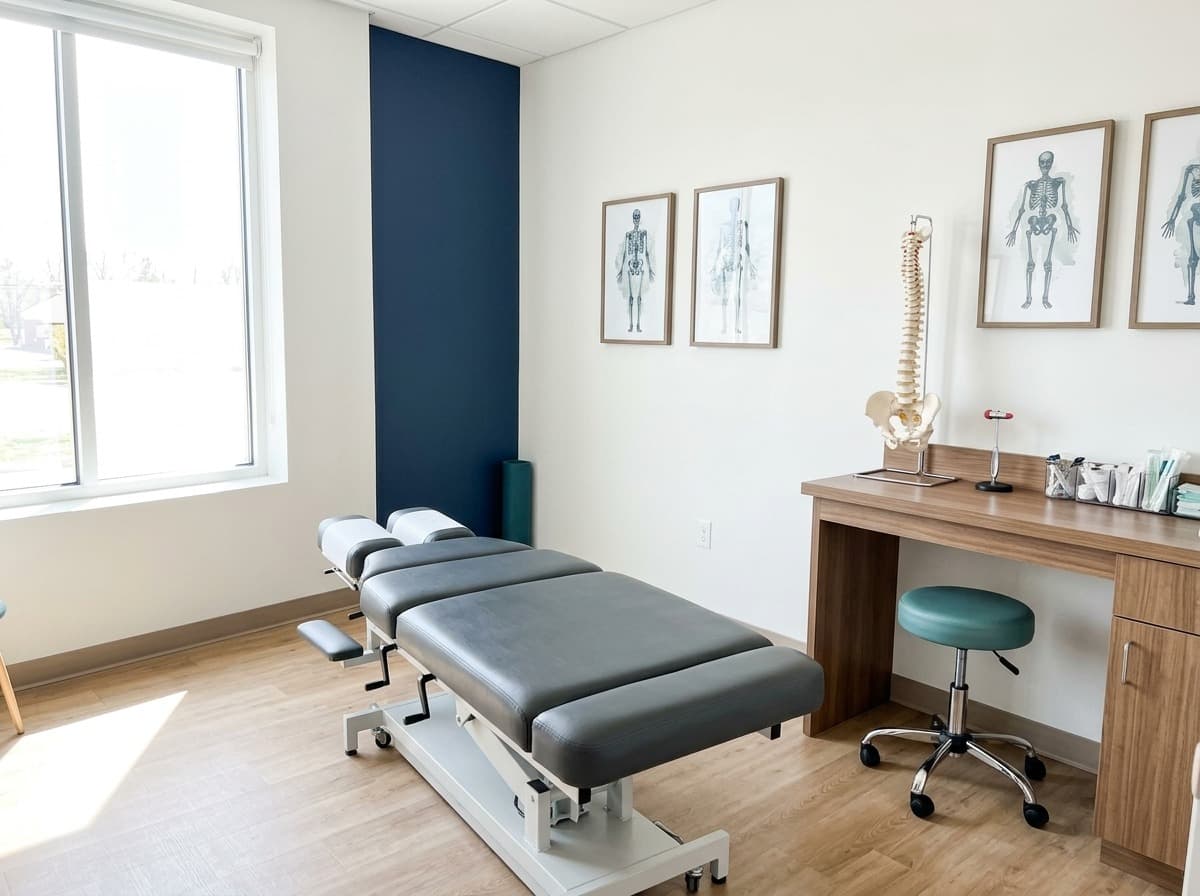
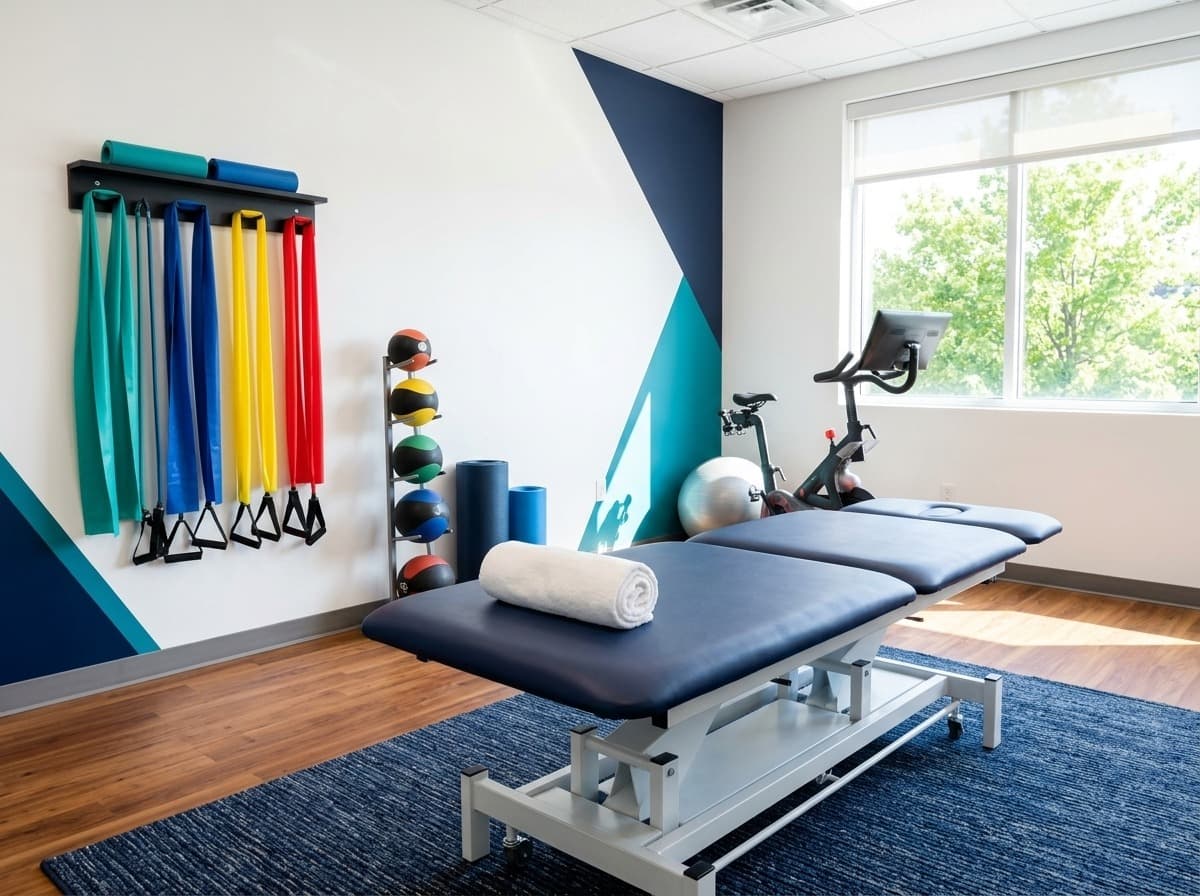
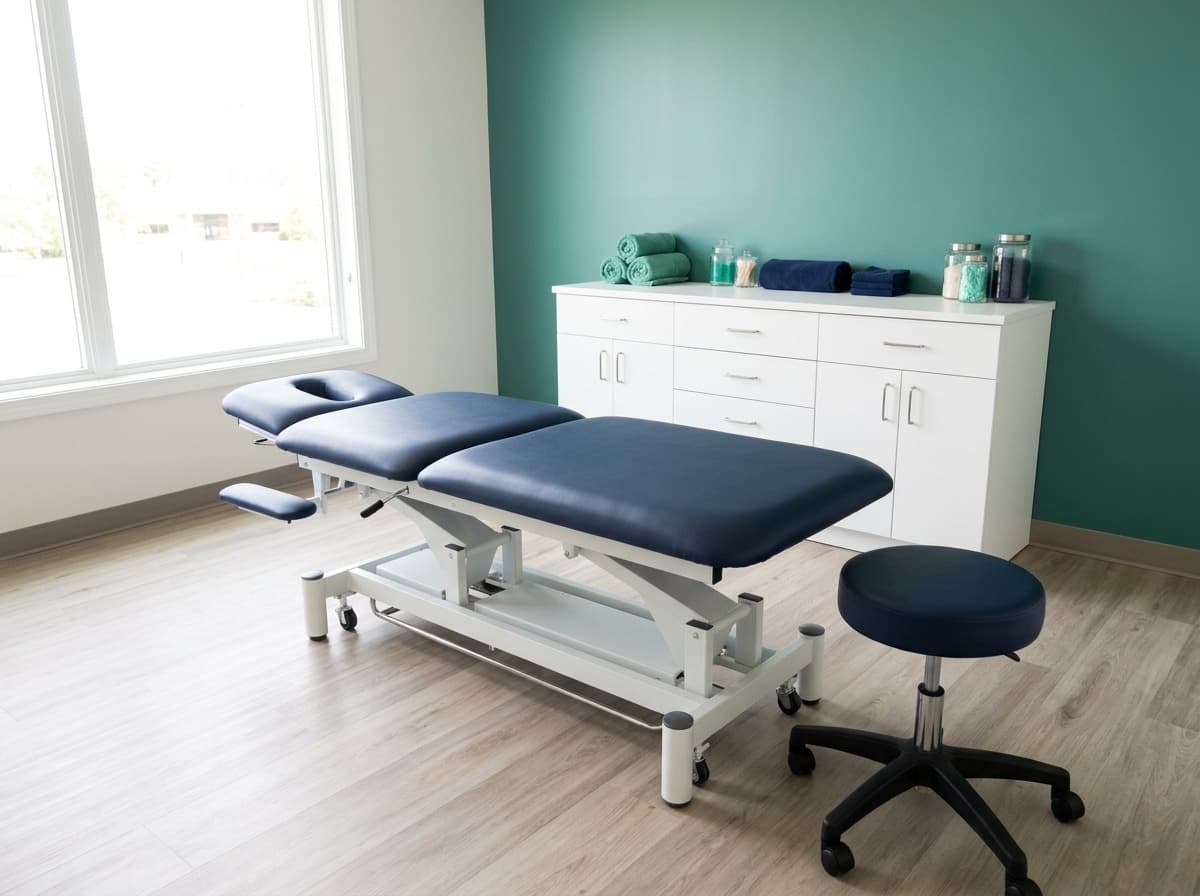
Inside our St. Louis spine clinic
Frequently asked
Common questions
▸Is spinal decompression better than a chiropractor?
Neither is universally better — they address different mechanical problems. Chiropractic adjustment is best for joint and segmental mobility patterns. Spinal decompression is best for disc and nerve pressure patterns like disc bulges, herniations, and disc-related sciatica. The right answer depends on what is actually driving the symptoms, which is determined by evaluation.
▸Can a chiropractor do spinal decompression?
Yes — many chiropractors are trained in spinal decompression therapy in addition to traditional adjustment. At Simply Health Integrated Medical in St. Louis, Dr. Nick Hasenfratz, DC, specializes in spinal decompression and regenerative medicine, and the broader team handles chiropractic adjustment care. The integrated approach means the same evaluator can recommend either tool.
▸Do I need a chiropractor or spinal decompression for my disc pain?
Disc-related symptoms — radicular leg pain, MRI-confirmed disc bulges or herniations, sciatica that has not responded to other care — usually lead to a decompression evaluation rather than adjustment alone. But many patients have both disc and joint components, in which case a combined plan often makes more sense. Evaluation determines which.
▸Is chiropractic adjustment safe for someone with a herniated disc?
Adjustment safety depends on the specific patient, the disc situation, neurological findings, and the technique used. For some herniation patterns, traditional high-velocity adjustment may not be the best choice and a decompression-first approach is more appropriate. The evaluation is what determines what is safe and useful — not a blanket yes-or-no.
▸Can I do chiropractic and spinal decompression at the same clinic?
Yes. Simply Health Integrated Medical at 12977 N Forty Dr, Suite 105, St. Louis, MO 63141 offers both chiropractic care and HillDT-monitored spinal decompression. Many patients have a combined plan where both tools are used together. Phone: (636) 590-4686.
▸Which is more expensive — chiropractic or spinal decompression?
Spinal decompression is typically the more involved service per session and is priced accordingly. Chiropractic adjustment care is generally lower per session. Total cost depends on the recommended plan, which is reviewed during the evaluation so you understand the cost picture before committing.
Next step
Ready to find the right next step?
If this page sounds like what you are looking for, request a consultation or call the office so the team can help you choose the right starting point.