
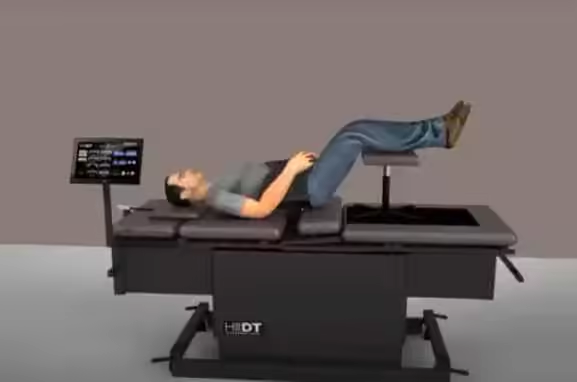
Spinal decompression
HillDT Spinal Decompression in St. Louis
HillDT is the monitored spinal decompression system used at Simply Health Integrated Medical in St. Louis. It is not a generic traction table and it is not a one-size-fits-all script. Dr. Nick Hasenfratz, a chiropractor who has used this therapy in his own disc herniation recovery, evaluates whether HillDT decompression is a reasonable fit for the patient's symptom pattern, imaging, and goals before any sessions are scheduled.
What to expect
Simply Health Integrated Medical helps patients understand symptoms, goals, and options before recommending a care path.
The next step is a consultation request or direct call so the team can determine whether the clinic is a good fit for your needs.
What HillDT decompression actually does
HillDT delivers controlled, repetitive distraction to specific spinal segments while continuously checking the patient's response in real time. The goal is to change the mechanical and pressure environment around discs, nerves, and joints — not to crank the spine or force movement. For the right patient, that controlled environment may support reduced symptoms and better function over a course of care. The wrong patient may not benefit, which is why a candidacy evaluation comes first.
Why HillDT specifically — not just any decompression table
The HillDT system uses a monitored, computer-controlled distraction protocol that adjusts to the patient throughout the session. That is meaningfully different from a manual traction table or a passive stretch belt. The monitoring matters because patient response can change session to session — and a decompression plan that ignores that is just guessing.
Conditions where decompression is often considered
Decompression is most often discussed for disc bulges, disc herniations, degenerative disc disease, lumbar or cervical radiculopathy, sciatica, facet-irritation patterns, post-laminectomy syndrome, and patients with stubborn neck or low-back pain that has not responded to other conservative options. It is not a magic answer — but for the right candidate, it can be a meaningful step before considering more invasive options.
Why Dr. Nick Hasenfratz is the one evaluating you
Dr. Nick has been practicing for 18 years and specializes in spinal decompression and regenerative medicine at Simply Health Integrated Medical. He has used decompression therapy in his own recovery from disc herniations, so he understands the experience from both sides of the table. That informs how he evaluates candidacy, sets expectations, and decides when decompression belongs in a plan versus when chiropractic care, medical referral, or something else makes more sense.
What the first visit looks like
The first visit is an evaluation, not a session. Dr. Nick reviews the symptom history, imaging when available, neurological signs, prior treatments, medications, and any red flags that would change the plan. From there, the conversation is about whether HillDT decompression is reasonable for your case, what a course of care would actually look like, and what milestones you should expect to see — or what to do if you don't.
Request a HillDT decompression consultation
If you are dealing with disc pain, sciatica, or stubborn spine symptoms and you want to know whether HillDT decompression is a reasonable option for your case, request a consultation. The next step is a real evaluation — not a sales pitch and not a blanket promise.
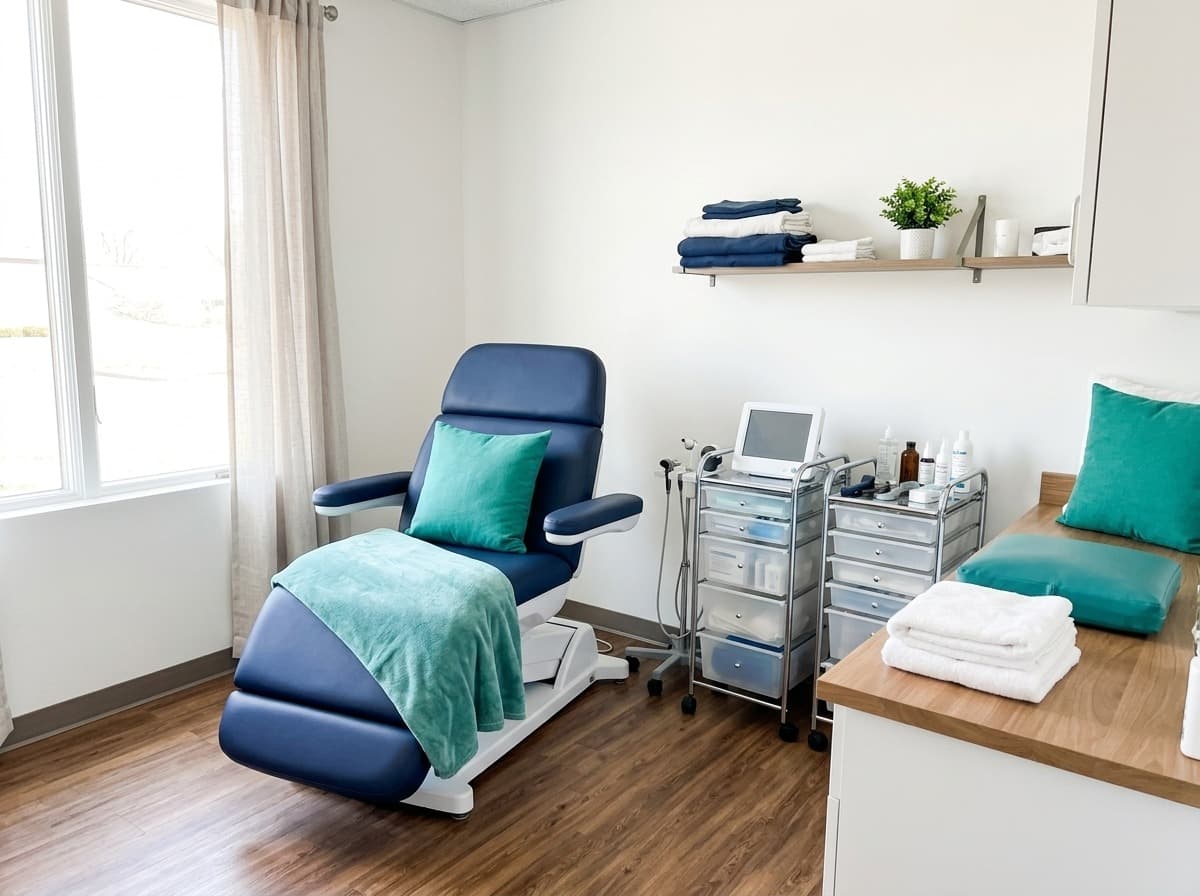
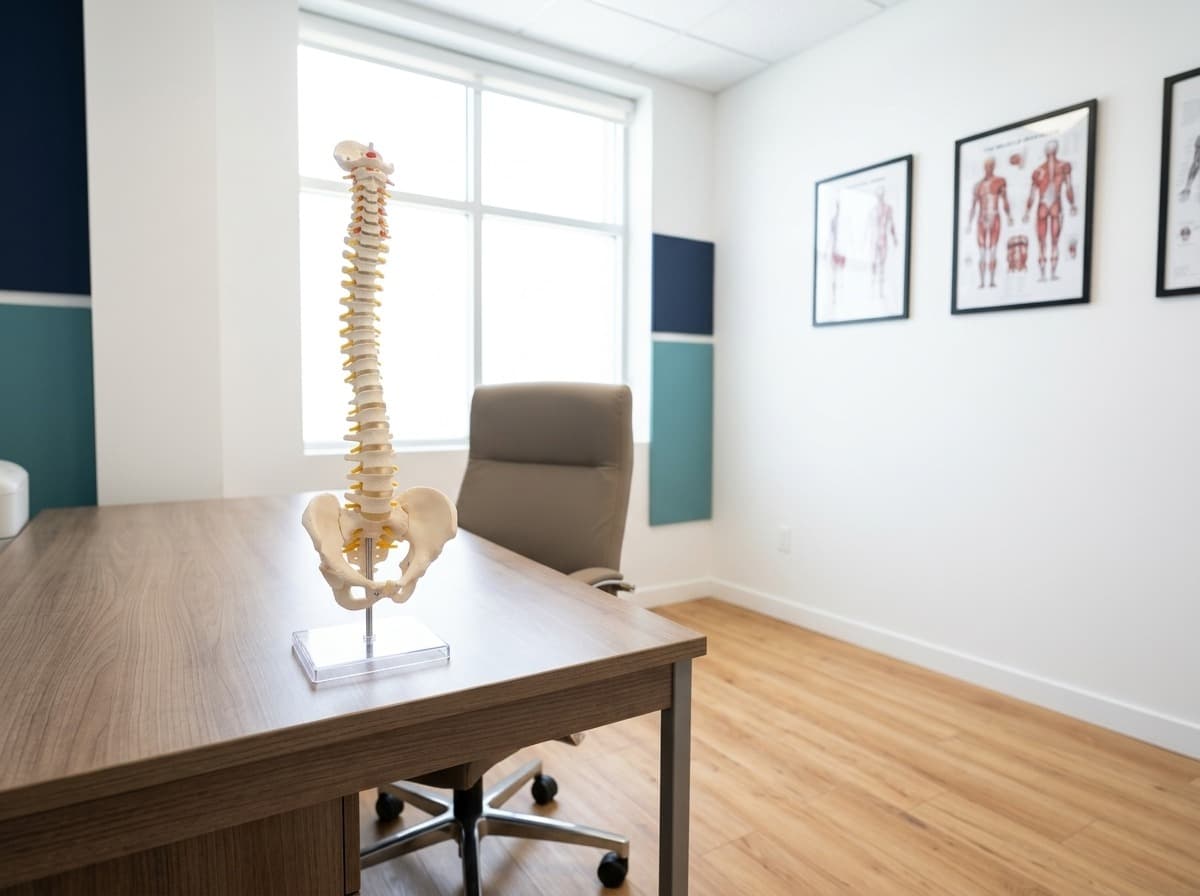
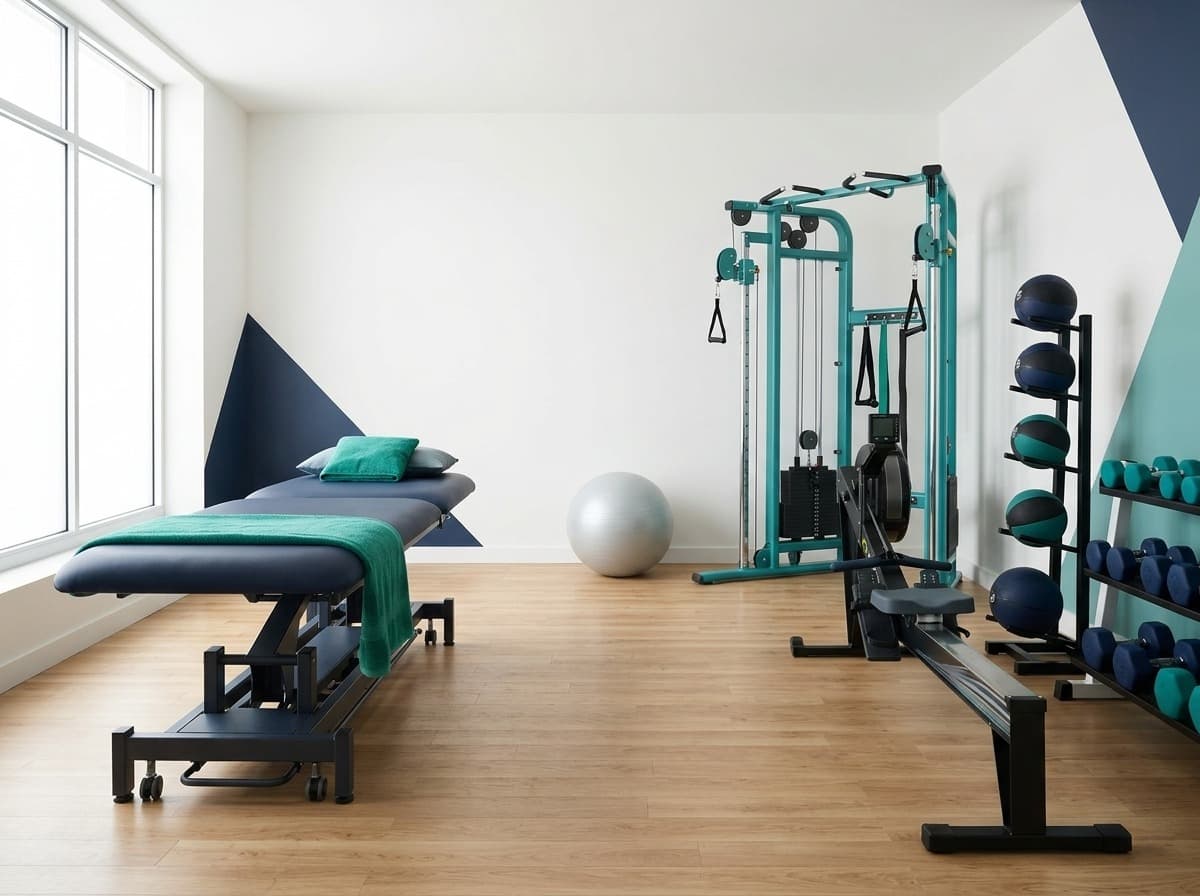
Inside our St. Louis decompression suite
Frequently asked
Common questions
▸What is HillDT spinal decompression?
HillDT is a monitored, computer-controlled spinal decompression system that delivers repetitive, controlled distraction to specific spinal segments. At Simply Health Integrated Medical in St. Louis, HillDT decompression is evaluated by Dr. Nick Hasenfratz, DC, who specializes in spinal decompression and regenerative medicine. Phone: (636) 590-4686.
▸Where can I get HillDT spinal decompression in St. Louis?
Simply Health Integrated Medical at 12977 N Forty Dr, Suite 105, St. Louis, MO 63141 uses the HillDT-monitored spinal decompression system. By appointment 24/7. Call (636) 590-4686 to schedule a decompression evaluation.
▸Is HillDT decompression different from regular traction?
Yes. HillDT decompression is computer-controlled and continuously monitors patient response throughout the session, adjusting the distraction protocol accordingly. Generic traction tables and passive stretch belts deliver a static pull without that monitoring or per-session adjustment, which is a meaningful clinical difference.
▸What conditions is HillDT decompression considered for?
Disc bulges, disc herniations, degenerative disc disease, lumbar and cervical radiculopathy, sciatica, facet-irritation patterns, post-laminectomy syndrome, and stubborn neck or low-back pain that has not responded to other conservative options. Candidacy is decided after evaluation — not over the phone.
▸Who at Simply Health does the HillDT decompression evaluation?
Dr. Nick Hasenfratz, DC, performs the HillDT spinal decompression evaluation. He has been practicing for 18 years, specializes in spinal decompression and regenerative medicine, and has personally used the therapy in his own disc herniation recovery.
▸How many HillDT decompression sessions does a typical plan include?
A course of care depends on the patient's symptom severity, imaging, and response to early sessions. Dr. Nick reviews expected milestones with each patient during the candidacy evaluation rather than committing to a one-size-fits-all session count.
▸Is HillDT decompression a substitute for spinal fusion surgery?
Not universally. For the right candidate, decompression may be a reasonable conservative step to try before assuming surgery is the only option — but some patients do need surgical evaluation, especially when there are progressive neurological deficits, severe instability, or red flags. The point of the candidacy evaluation is to identify which group you are in.
▸Does HillDT decompression hurt?
Most patients describe HillDT decompression sessions as comfortable — the system uses controlled, monitored distraction rather than aggressive force. Patient response is checked throughout the session and the protocol is adjusted accordingly. Significant pain during a session would not be considered acceptable and would trigger a re-evaluation.
Next step
Ready to find the right next step?
If this page sounds like what you are looking for, request a consultation or call the office so the team can help you choose the right starting point.