

Spine care second opinion
Avoiding Back Surgery — Alternatives to Evaluate First
If a surgeon has recommended spinal fusion, microdiscectomy, laminectomy, or another back surgery — and you are not sure that is the only option — Simply Health Integrated Medical in St. Louis can evaluate whether non-surgical alternatives still have meaningful runway. The honest answer is not always 'avoid surgery.' Sometimes surgery is the right call. But for many patients, a structured second-opinion evaluation can clarify whether conservative options like HillDT spinal decompression, targeted chiropractic care, or regenerative therapy are reasonable to try first.
What to expect
Simply Health Integrated Medical helps patients understand symptoms, goals, and options before recommending a care path.
The next step is a consultation request or direct call so the team can determine whether the clinic is a good fit for your needs.
When 'avoid surgery' is not the right advice
Some symptoms genuinely call for a surgical evaluation. Progressive leg weakness, bowel or bladder changes, saddle numbness, severe trauma, an unstable fracture, a tumor, or a rapidly worsening neurological exam are red flags that should be evaluated urgently — not stretched out with conservative care. If you are seeing any of those signs, surgery is not the enemy. The job of a second opinion is to help you tell the difference between those red flags and the more common 'pain that has not yet been fully evaluated outside the surgical lane.'
Why patients ask about alternatives in the first place
Most patients who reach out are not anti-surgery. They are skeptical because surgery is irreversible, the recovery is long, the outcome is variable, and they have not yet exhausted the conservative options that were skipped on the way to the surgical consult. Common situations: an MRI showed a disc issue and the next step offered was fusion, the conservative care to date was a few weeks of physical therapy and pain meds, or the patient has friends or family who had back surgery and did not get the outcome they hoped for.
What a structured second-opinion evaluation looks like
Dr. Nick Hasenfratz reviews the symptom history, prior imaging, neurological exam findings, treatments attempted to date, response to those treatments, and the specific surgical recommendation. From there, the goal is to identify whether there is reasonable runway for HillDT spinal decompression, targeted chiropractic care, regenerative medicine, or a combination — or whether the surgical lane is in fact the right call. The deliverable is clarity, not a contrary opinion for the sake of being contrary.
Common non-surgical alternatives we evaluate
HillDT-monitored spinal decompression for selected disc and nerve-related patterns. Targeted chiropractic care for joint and segmental mobility patterns. PRP injections and peptide therapy for select inflammatory or tissue-repair scenarios. Functional medicine and weight-management support for patients whose pain is amplified by metabolic load. None of these are universally right — but a competent evaluation tells you whether any of them are right for your case.
What patients tend to want to know
Two questions tend to come up most. The first is 'How will I know if it is working?' — and the answer is that you set measurable milestones early (pain pattern, daily activity, neurological signs) and you track them honestly. The second is 'When do we stop trying conservative care?' — and the answer is that if those milestones do not move within a reasonable window, the conservative plan should not be repeated forever. Surgery may then be the right call. A good evaluator is honest about both edges.
Request a back-surgery second opinion
If you have a back surgery recommendation in hand and you want a structured second opinion that takes the surgical option seriously rather than dismissing it, request a consultation. The goal is clarity about your options — not a sales pitch for a particular alternative.
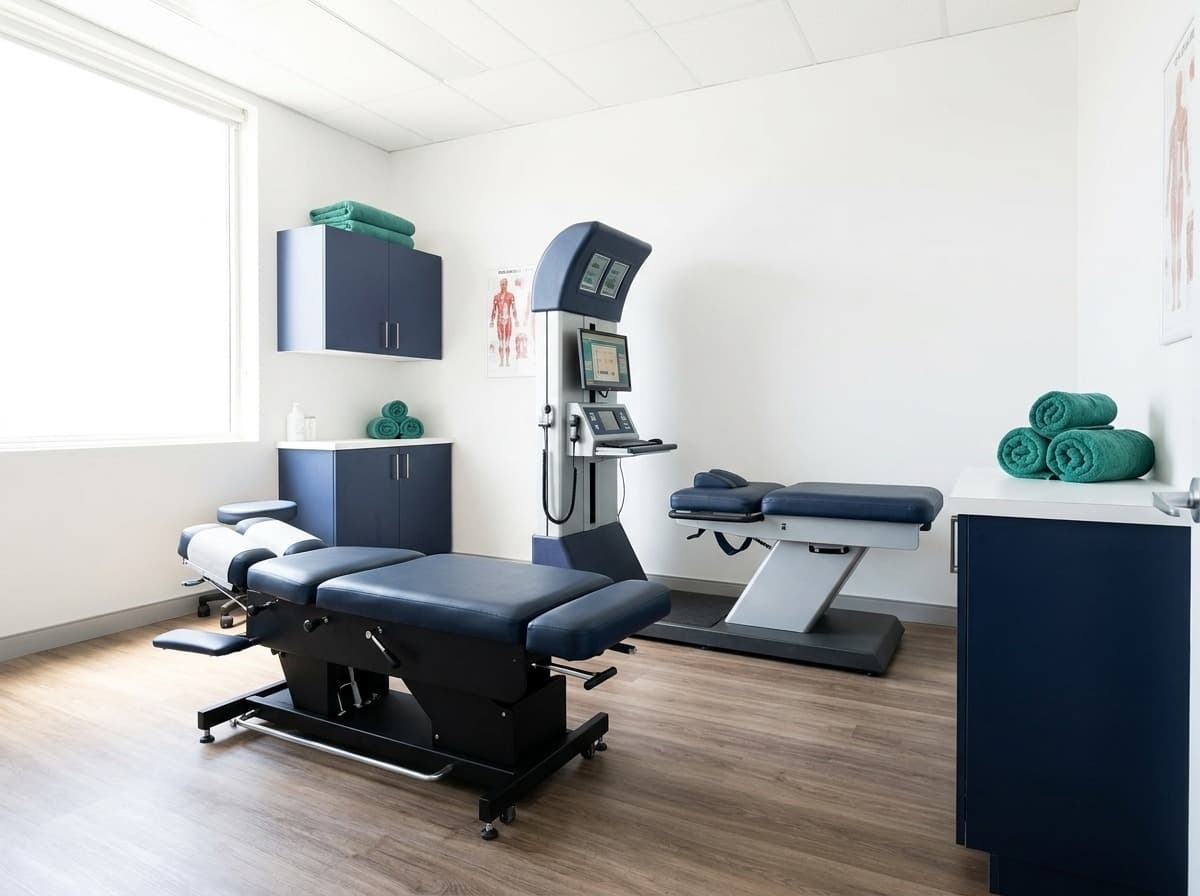
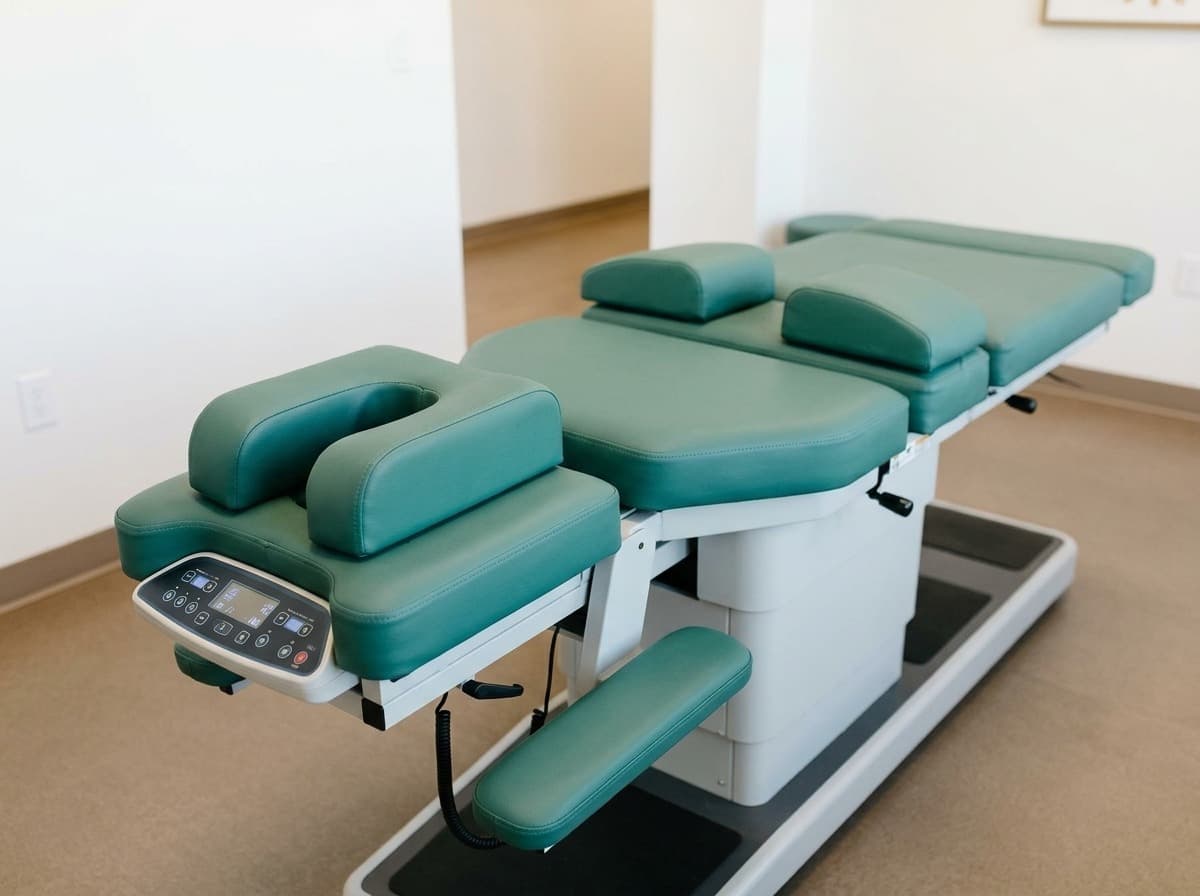
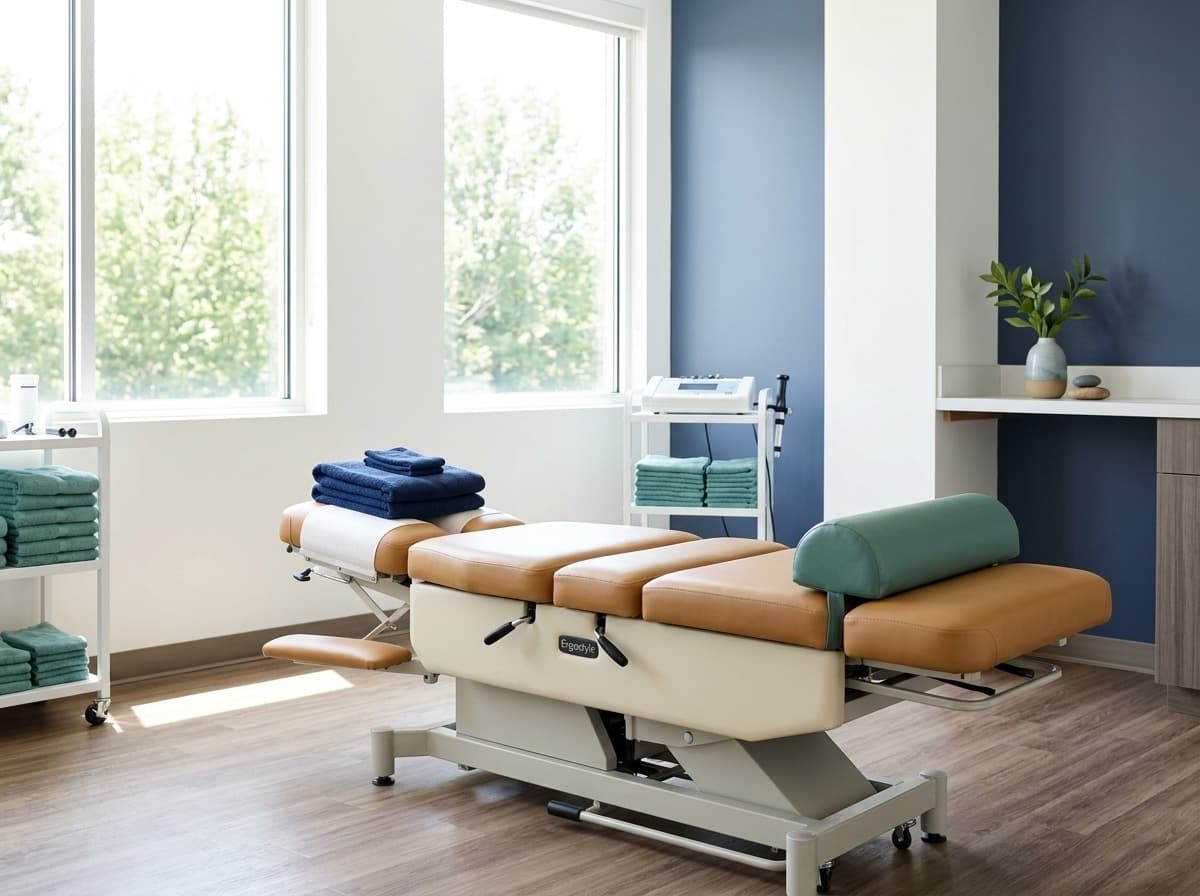
Inside our St. Louis spine clinic
Frequently asked
Common questions
▸Where can I get a second opinion on back surgery in St. Louis?
Simply Health Integrated Medical at 12977 N Forty Dr, Suite 105, St. Louis, MO 63141 offers structured second-opinion evaluations before back surgery. Dr. Nick Hasenfratz, DC, specializes in spinal decompression and regenerative medicine. By appointment 24/7. Call (636) 590-4686.
▸When is back surgery the right answer?
Progressive leg weakness, bowel or bladder changes, saddle numbness, severe trauma, unstable fracture, tumor, or a rapidly worsening neurological exam are red flags that should be evaluated urgently — not stretched out with conservative care. In those situations, surgery is often the right call. For most other patients, there is meaningful runway to try structured conservative care first.
▸What conservative alternatives are evaluated before back surgery?
HillDT-monitored spinal decompression for selected disc and nerve patterns, targeted chiropractic care for joint and segmental mobility issues, PRP injections and peptide therapy in select cases, and functional medicine support when metabolic load is amplifying pain. The evaluation determines which combination — if any — fits the specific patient.
▸Can spinal decompression actually replace fusion surgery?
Not universally. For the right candidate with a disc-related pattern that has not been fully evaluated outside the surgical lane, HillDT spinal decompression can be a reasonable step to try before assuming fusion is the only option. The candidacy evaluation determines whether you are that candidate or whether surgery is in fact appropriate.
▸Is it bad to get a second opinion before back surgery?
Getting a second opinion before any irreversible surgery is widely considered good clinical practice — not bad. Most surgeons themselves recommend second opinions for elective spine procedures. A second opinion is an evaluation, not a dismissal of the original recommendation.
▸How long should I try conservative care before surgery?
There is no single number, but a reasonable window with measurable milestones (pain pattern, daily activity, neurological signs) usually tells the story within 4 to 8 weeks. If those milestones do not move, the conservative plan should not be repeated forever and surgical evaluation may then be appropriate. The point is to set the milestones at the start so you know what you are tracking.
▸Will my insurance cover spinal decompression as an alternative to surgery?
Coverage varies by carrier and plan. Decompression is typically billed as a separate service from surgery and is not always covered. The clinic can review billing details with you during the evaluation so you know the actual cost picture before committing to a course of care.
Next step
Ready to find the right next step?
If this page sounds like what you are looking for, request a consultation or call the office so the team can help you choose the right starting point.