

Sleep apnea — functional approach
CPAP Alternatives & Sleep Apnea in St. Louis: The Weight-Loss & Functional Approach
Many people in St. Louis search for "alternatives to CPAP" because they find the machine hard to tolerate. This page gives the honest picture: CPAP is the most common treatment for obstructive sleep apnea, each alternative has its own eligibility rules, and for some patients weight loss can meaningfully reduce the severity of obstructive sleep apnea. This is educational and not medical advice.
The short answer: the CPAP alternatives with evidence behind them are a custom oral appliance, positional therapy, hypoglossal nerve stimulation (an implanted device, sold under the Inspire brand), airway surgery, a newer prescription medication for adults with obesity, and weight management. Each has eligibility rules, and each is provided by a sleep physician, a dental sleep medicine practice, or an ENT or sleep surgeon, not by us. Simply Health Integrated Medical in St. Louis does not provide oral appliances, CPAP, Inspire, surgery, sleep studies, or a sleep-apnea diagnosis, and our chiropractors do not prescribe medication. We work on one contributor, weight and metabolic health, alongside (never instead of) your sleep physician.
What to expect
Simply Health Integrated Medical helps patients understand symptoms, goals, and options before recommending a care path.
The next step is a consultation request or direct call so the team can determine whether the clinic is a good fit for your needs.
Why people look for CPAP alternatives
CPAP is highly effective when it's used, but many people struggle with the mask, the noise, dryness, or claustrophobia, and start searching for another way. That frustration is real and understandable. The honest answer is that there is no simple swap that works for everyone — but there are several evidence-based routes, each with a clear "who it's for," and for overweight patients there is a lever we work on every day.
The CPAP alternatives that exist, and who is eligible
For obstructive sleep apnea (OSA), these are the routes the National Heart, Lung, and Blood Institute lists alongside CPAP. Each starts with a sleep study and a sleep physician's evaluation. We provide none of them; we describe them because you deserve the whole map before deciding who to call.
**Custom oral appliance.** A mouthpiece, worn at night, that holds the lower jaw or tongue forward so the airway stays open. The AASM and AADSM joint guideline recommends that sleep physicians consider prescribing one for adults with OSA who cannot tolerate CPAP or prefer another therapy, that a qualified dentist fit a custom, adjustable device, and that follow-up sleep testing confirm it works. Provided by: a sleep physician (prescription) plus a dental sleep medicine practice (fitting).
**Positional therapy.** For people whose apnea happens mostly on their back, a device or trainer keeps them on their side. Trials show it lowers the apnea-hypopnea index (AHI, the number of breathing interruptions per hour) and daytime sleepiness compared with no treatment, though CPAP lowers AHI more. Eligibility: a sleep study has to show your apnea is positional. Arranged through your sleep physician.
**Hypoglossal nerve stimulation (Inspire).** A small device implanted in the chest that stimulates the nerve controlling the tongue so it doesn't fall back during sleep. The manufacturer's stated criteria are adults 18 and over with moderate-to-severe OSA who have not been able to benefit from CPAP, tested in people with a body mass index up to 40. It is surgery. Provided by: an ENT or sleep surgeon.
**Airway surgery.** Procedures such as removing excess soft-palate tissue or advancing the jaw. Whether it makes sense depends on your anatomy, and it is a specialist's call. Provided by: an ENT or sleep surgeon.
**A prescription medication for OSA with obesity.** In December 2024 the FDA approved the first medication for moderate-to-severe obstructive sleep apnea in adults with obesity, to be used with a reduced-calorie diet and increased activity. It is a prescription for your physician to weigh with you; our chiropractors do not prescribe medication.
**Weight management.** For patients who are overweight, structured weight loss is recommended as an adjunct, added alongside CPAP or another primary therapy. This is the piece we contribute; the evidence is below.
Insurance coverage differs by route; ask the provider.
How weight loss affects obstructive sleep apnea
Excess weight — particularly around the neck and abdomen — is a major predisposing factor for obstructive sleep apnea, and studies consistently show that meaningful weight loss can reduce its severity (measured as the AHI). The American Thoracic Society's 2018 guideline recommends a comprehensive lifestyle program of reduced-calorie diet, exercise, and behavioral counseling for adults with OSA and a BMI of 25 or higher, and notes that the drop in AHI tracks with the amount of weight lost. The same guideline treats weight loss as an adjunctive tool, which is the right frame: something you do alongside your primary treatment.
What "reduce severity" looks like in practice: in the Sleep AHEAD trial, obese adults with type 2 diabetes who followed an intensive lifestyle program had a markedly lower AHI after a year than the comparison group, and a minority reached remission, meaning their AHI fell below the diagnostic threshold. Most did not; their apnea became less severe rather than going away. One population, so read it as a signal of what is possible, not a promise.
For some patients, that improvement is enough to change their treatment picture in partnership with their sleep physician; for others it reduces symptoms while CPAP continues. It is a contributor to work on, not a guaranteed cure — and the decision about CPAP is always your sleep doctor's, not ours.
Where functional medicine fits
Beyond weight, factors like metabolic health, inflammation, nasal and sinus issues, alcohol and sedative use, and overall health all interact with sleep quality. A functional-medicine evaluation looks at those contributors as part of a broader plan, and the Simply Health Method is the food-first program behind it when weight is the lever. The goal is honest: support the things within reach — weight, metabolism, lifestyle — that can improve how you sleep and feel, while your diagnosed sleep apnea stays under your sleep physician's care.
What we do — and don't — do
To be clear: Simply Health Integrated Medical does not diagnose sleep apnea, run sleep studies, prescribe or replace CPAP, fit oral appliances, provide Inspire or any other implant, or perform sleep surgery. Our doctors are chiropractors, and they do not prescribe medication of any kind. We offer medical weight loss and functional-medicine evaluation that address the weight and metabolic contributors to obstructive sleep apnea. If you have not been evaluated for sleep apnea, the right first step is a sleep study through your physician — and we're glad to work alongside that care.
Important: don't stop your CPAP on your own
If you currently use CPAP, do not stop or change it based on this page or on weight loss progress — untreated sleep apnea carries real cardiovascular and safety risks. Any change to your CPAP should be made with your sleep physician, who can re-evaluate you if your situation changes. We're a partner on the weight-and-health side, not a substitute for that relationship.
What to ask your sleep doctor
Bring these to your next appointment:
- Based on my sleep study, is my apnea mild, moderate, or severe, and is it positional? - Am I a candidate for a custom oral appliance, and would you write the prescription for a dental sleep medicine practice? - Do I meet the criteria for hypoglossal nerve stimulation or surgery, and who would you refer me to? - If I lose weight, when would you want to re-test me before changing anything about my CPAP? - Is the newer medication for sleep apnea with obesity something you would consider for me?
Request a weight & metabolic consultation
If you've been diagnosed with obstructive sleep apnea and want to work on the weight and metabolic contributors — with realistic expectations and coordination with your sleep doctor — request a consultation. We see patients from across the St. Louis metro at 12977 N Forty Dr, Suite 105, St. Louis, MO 63141. Call (636) 590-4686.
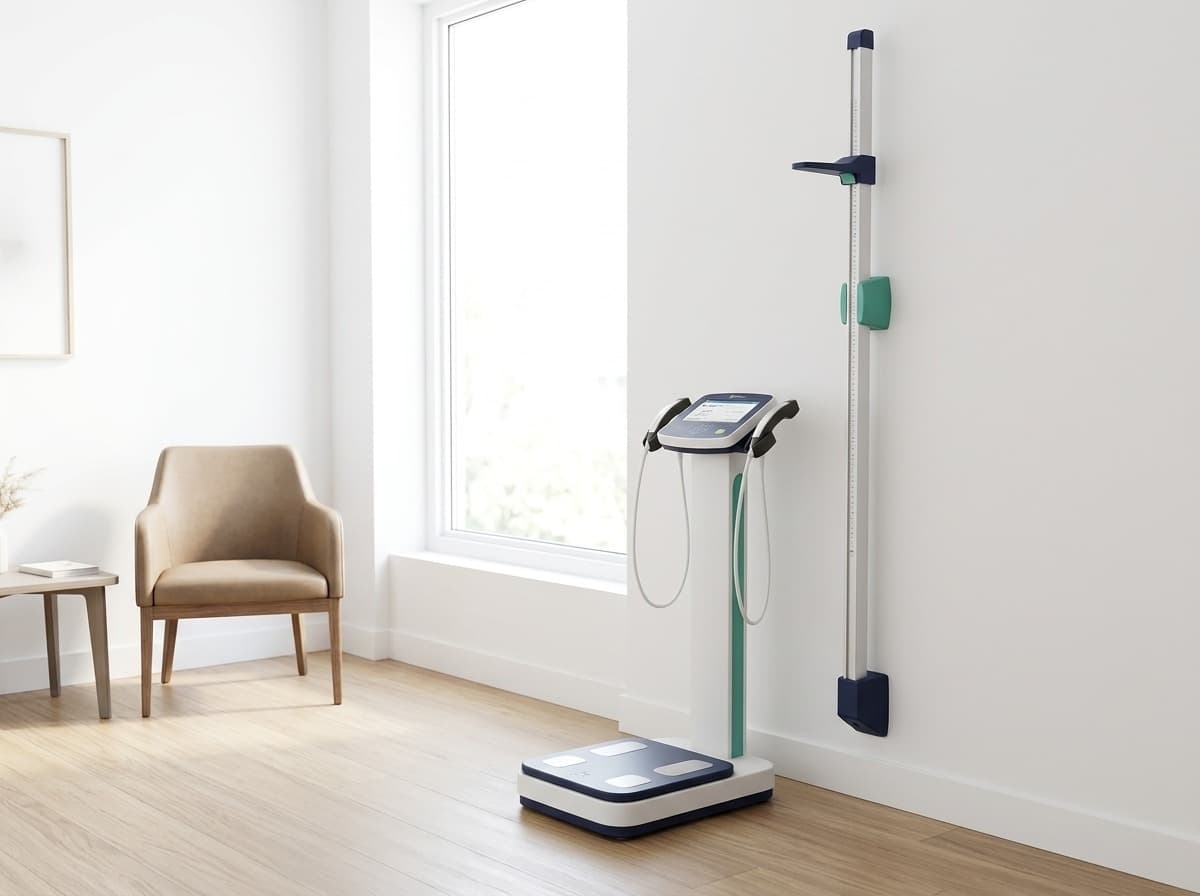
Inside our St. Louis weight loss & functional medicine clinic


Frequently asked
Common questions
▸Is there a real alternative to CPAP?
For obstructive sleep apnea, the evidence-based options are CPAP, dentist-fitted oral appliances, positional therapy, hypoglossal nerve stimulation, certain surgeries, a prescription medication for adults with obesity, and weight loss for overweight patients. Each has eligibility rules, and decisions about CPAP belong to your sleep physician. Simply Health works on the weight and metabolic contributors only.
▸Who provides CPAP alternatives in St. Louis?
Oral appliances come through a sleep physician's prescription and a dental sleep medicine practice; positional therapy through your sleep physician; hypoglossal nerve stimulation and surgery through an ENT or sleep surgeon; and medication through your physician. Simply Health Integrated Medical provides none of these. We provide medical weight loss and functional-medicine evaluation.
▸Can weight loss cure sleep apnea?
Not a guaranteed cure. Meaningful weight loss can reduce the severity of obstructive sleep apnea for overweight patients, alongside their primary treatment, and for some it changes their treatment picture in partnership with their sleep doctor. In one trial a minority reached remission; most became less severe. It's a contributor worth addressing, not a replacement for evaluated care.
▸Is there a medication for sleep apnea?
Yes. In December 2024 the FDA approved a medication for moderate-to-severe obstructive sleep apnea in adults with obesity, used together with diet and physical activity. It is prescribed by your physician. Our doctors are chiropractors and do not prescribe medication.
▸Does Simply Health Integrated Medical treat sleep apnea?
We do not diagnose sleep apnea, run sleep studies, prescribe or replace CPAP, fit oral appliances, or provide Inspire or surgery. We offer medical weight loss and functional-medicine evaluation that address the weight and metabolic contributors to obstructive sleep apnea, working alongside your sleep physician.
▸Should I stop using my CPAP if I lose weight?
No — do not stop or change your CPAP on your own. Untreated sleep apnea carries real risks. Any change should be made by your sleep physician, who can re-evaluate you if your situation improves. Call (636) 590-4686 to work on the weight-and-health side alongside that care.
Next step
Ready to find the right next step?
If this page sounds like what you are looking for, request a consultation or call the office so the team can help you choose the right starting point.