

Peptide therapy — recovery & repair
Peptide Therapy for Recovery in St. Louis
Peptide therapy for recovery — athletic recovery, injury healing, tissue repair, and post-surgical support — is one of the most-searched applications of peptides. Patients ask about targeted recovery-support peptides because they want better recovery from workouts, faster healing from injuries, or support for chronic soft-tissue issues. At Simply Health Integrated Medical in St. Louis, recovery peptides are evaluated honestly — what the evidence supports, what is still preclinical, and whether peptides actually fit the patient's specific recovery goal.
What to expect
Simply Health Integrated Medical helps patients understand symptoms, goals, and options before recommending a care path.
The next step is a consultation request or direct call so the team can determine whether the clinic is a good fit for your needs.
Why patients ask about recovery peptides
Most patients who arrive asking about peptide therapy for recovery fall into one of three groups: athletes or active adults frustrated by slow workout recovery; patients dealing with a stubborn injury that has not responded to physical therapy or standard care; or patients researching peptides as an alternative to standard injection options like cortisone. The evaluation is the same in all three cases: clarify the specific recovery goal first, then determine whether peptides fit.
Recovery peptide evidence — what it actually says
Some recovery peptides are heavily marketed for tendon, ligament, gut, and soft-tissue repair. The honest version: much of the most interesting research remains preclinical, especially in animal models, and human clinical evidence is more limited than internet marketing suggests. Regulatory status and sourcing quality also matter. A responsible evaluation reviews all of that before recommending or declining.
Tissue-repair and mobility peptide questions
Some tissue-repair and mobility-focused peptide options are discussed for repair signaling, flexibility, and resilience. Published research does not always match commercial claims, and these categories should not be treated as interchangeable. The regulatory and sourcing picture matters, and a careful evaluation reviews whether any specific option is appropriate, available, and worth considering for the patient.
Skin, hair, and wound repair signaling
Some copper-peptide research is commonly discussed for skin quality, hair, wound-repair signaling, and aesthetic goals. For musculoskeletal recovery, the evidence is thinner and should be interpreted cautiously, especially when online claims outrun clinical data.
When peptides fit alongside PRP and regenerative medicine
Many patients who arrive asking about recovery peptides also have a PRP, decompression, or chiropractic plan that could fit. Simply Health Integrated Medical is set up to offer all of these under one roof, so the evaluation can compare options rather than defaulting to whichever one the clinic happens to sell. For some recovery cases, peptides plus PRP plus targeted movement work makes more sense than any of them alone.
Safety, sourcing, and the regulatory picture
Recovery peptides should not be purchased blindly online, stacked aggressively, or treated as risk-free because they are marketed as 'natural.' Product quality, dosing, contamination risk, medication interactions, contraindications, and regulatory limits all matter. The clinic operates within current regulatory guidance and reviews source quality as part of any peptide recommendation.
Request a recovery peptide consultation
If you are dealing with slow recovery, a stubborn injury, or post-surgical healing and you want a structured evaluation that reviews peptide therapy alongside PRP, regenerative medicine, and movement-based approaches — request a consultation. The next step is an honest evaluation, not a script.
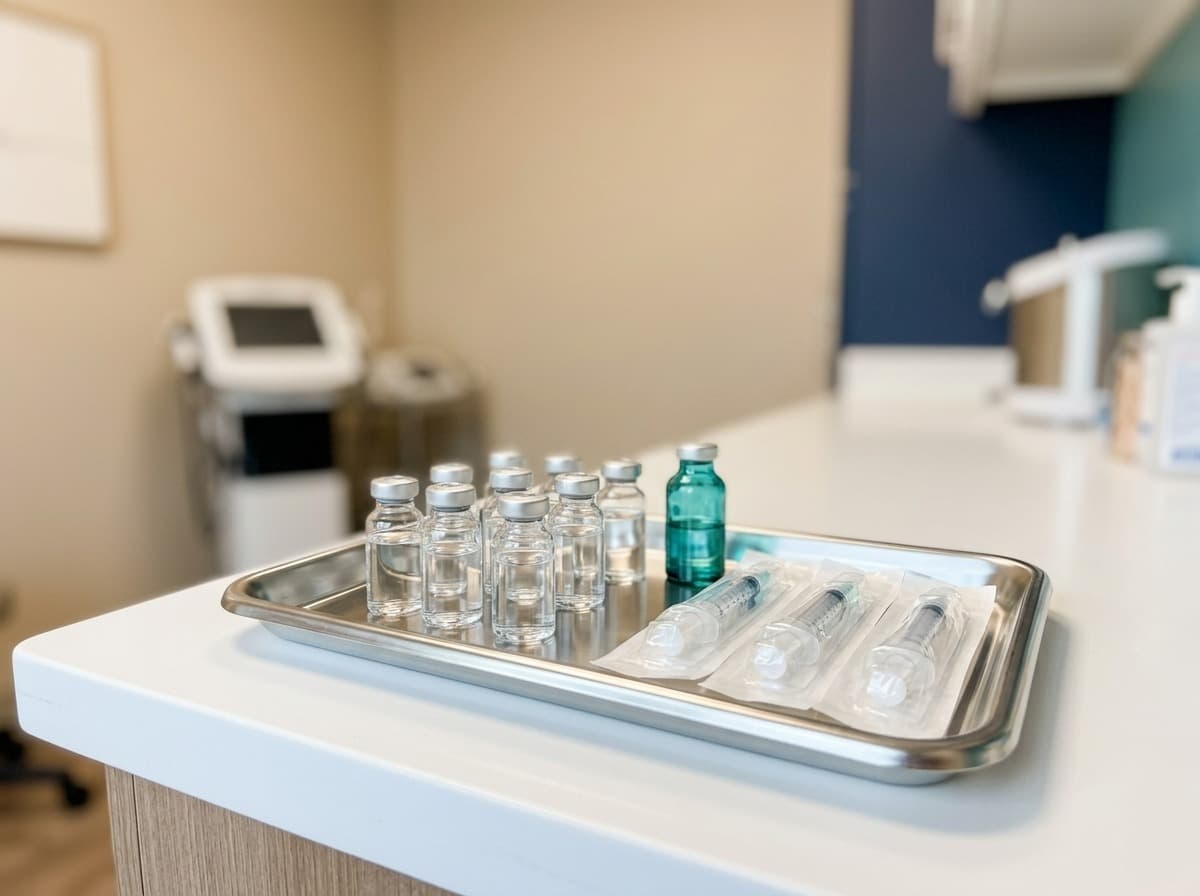
Inside our St. Louis peptide therapy clinic


Frequently asked
Common questions
▸Where can I get peptide therapy for recovery in St. Louis?
Simply Health Integrated Medical at 12977 N Forty Dr, Suite 105, St. Louis, MO 63141 evaluates recovery-focused peptide options alongside PRP and regenerative medicine. By appointment 24/7. Call (636) 590-4686.
▸Do recovery peptides actually work for tendon and ligament injuries?
Some recovery peptides have interesting preclinical research, particularly in animal models of tendon and gut tissue. Human clinical evidence is more limited than internet marketing suggests. The candidacy evaluation is honest about what the evidence supports versus what is still emerging.
▸Are recovery peptides legal in the United States?
Regulatory status for many peptides has shifted and continues to evolve. The clinic operates within current regulatory guidance and reviews availability, sourcing, and candidacy during the evaluation.
▸How do different recovery peptides compare?
Different recovery peptides target different signaling pathways and have different research bases. Some are discussed for tendon, ligament, gut, mobility, or broader tissue-resilience goals, but the evidence varies by molecule and use case. The evaluation compares options without treating them as interchangeable.
▸Should I use peptides or PRP for an injury?
Different mechanisms, different evidence bases. PRP delivers a concentrated repair signal directly to the injury site through injection. Peptides act systemically through different pathways. For many recovery cases, a combination may make more sense than either alone. The evaluation compares options rather than defaulting to one.
▸Are recovery peptides safe?
Safety depends on the specific peptide, the dose, the patient's health history, and the source. Product quality and sourcing are major variables. Candidacy review evaluates safety for your specific case.
▸How long does it take to see results from recovery peptides?
Response varies by peptide, injury type, and patient. Some patients report improvement within weeks; others take longer. The evaluation sets realistic milestones based on the specific situation rather than promising a timeline.
▸Is recovery peptide therapy covered by insurance?
Most peptide therapy for recovery is not covered by insurance. Cost is reviewed during the evaluation.
Next step
Ready to find the right next step?
If this page sounds like what you are looking for, request a consultation or call the office so the team can help you choose the right starting point.