
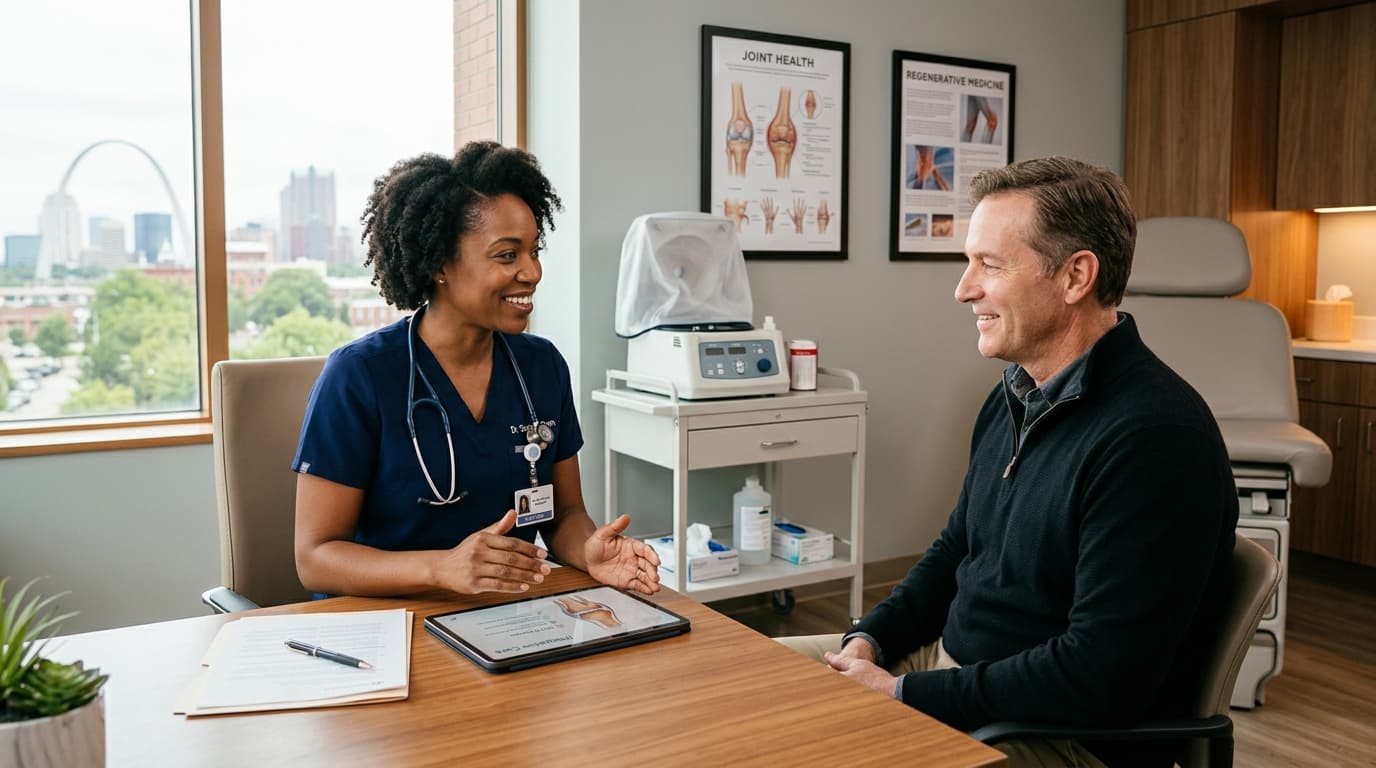
PRP — joint care
PRP for Joints in St. Louis
PRP injections for joint pain — knee, shoulder, hip, and other joint targets — use a concentrated form of your own blood's platelets to deliver healing signals directly to the joint. At Simply Health Integrated Medical in St. Louis, PRP for joints is evaluated by Dr. Nick Hasenfratz, DC, who specializes in regenerative medicine and spinal decompression. The candidacy review determines whether PRP fits the specific joint problem before any injection is scheduled.
What to expect
Simply Health Integrated Medical helps patients understand symptoms, goals, and options before recommending a care path.
The next step is a consultation request or direct call so the team can determine whether the clinic is a good fit for your needs.
Why PRP is asked about for joint pain
Patients usually arrive at PRP after the usual playbook — anti-inflammatories, physical therapy, sometimes a cortisone injection — has not delivered the durable relief they wanted, or has stopped working as well as it once did. A surgeon may have mentioned knee replacement, rotator cuff repair, or hip arthroscopy as the next step. PRP is often the option patients reach for when they want to try something biologic before committing to surgery.
What PRP does in a joint
Platelets are best known for clotting, but they also carry growth factors and signaling proteins involved in tissue repair. A small blood sample is drawn, processed in a centrifuge to concentrate the platelet-rich fraction, and that plasma is injected directly into the joint. The goal is not to force regeneration where none can happen — it is to deliver a concentrated repair signal to tissue that may respond to it.
PRP for knee pain
Knee PRP is the most-discussed joint application. Candidates often include patients with mild-to-moderate osteoarthritis, meniscal-related pain that has not required surgery, patellar tendinopathy, and post-overuse knee pain. PRP is not a fix for advanced bone-on-bone arthritis where joint replacement is the appropriate option, and the candidacy evaluation specifically looks at where on that spectrum a patient sits.
PRP for shoulder, hip, and other joints
PRP is also commonly considered for shoulder pain (rotator cuff irritation, mild-to-moderate degeneration, adhesive capsulitis context), hip pain (greater trochanteric pain, mild-to-moderate hip osteoarthritis), and other joints. The same evaluation logic applies: identify the actual driver of pain, the imaging context when available, and whether PRP is a reasonable signal to deliver to that tissue.
What the PRP visit looks like
The first visit is an evaluation, not an injection. Dr. Nick reviews symptom history, imaging when available, prior treatments, the specific joint target, activity goals, and red flags. If PRP is appropriate, the procedure itself involves a blood draw, centrifuge preparation, and an ultrasound-guided or palpation-guided injection depending on the target. Most patients describe the injection as well-tolerated.
Realistic expectations
Patient response to PRP varies. Some patients see meaningful improvement within 4 to 6 weeks; others take 2 to 3 months. A series of 2 to 3 injections spaced 4 to 6 weeks apart is common. PRP works best as part of a broader plan that includes movement, strength work, weight management when relevant, and follow-up. It is not a one-shot miracle, and the evaluation is honest about that.
Request a joint PRP consultation
If you are dealing with knee, shoulder, hip, or other joint pain — and you want to know whether PRP is a reasonable step to evaluate before surgery — request a PRP consultation. The next step is an evaluation: is PRP appropriate for your case, and what does a realistic plan look like.
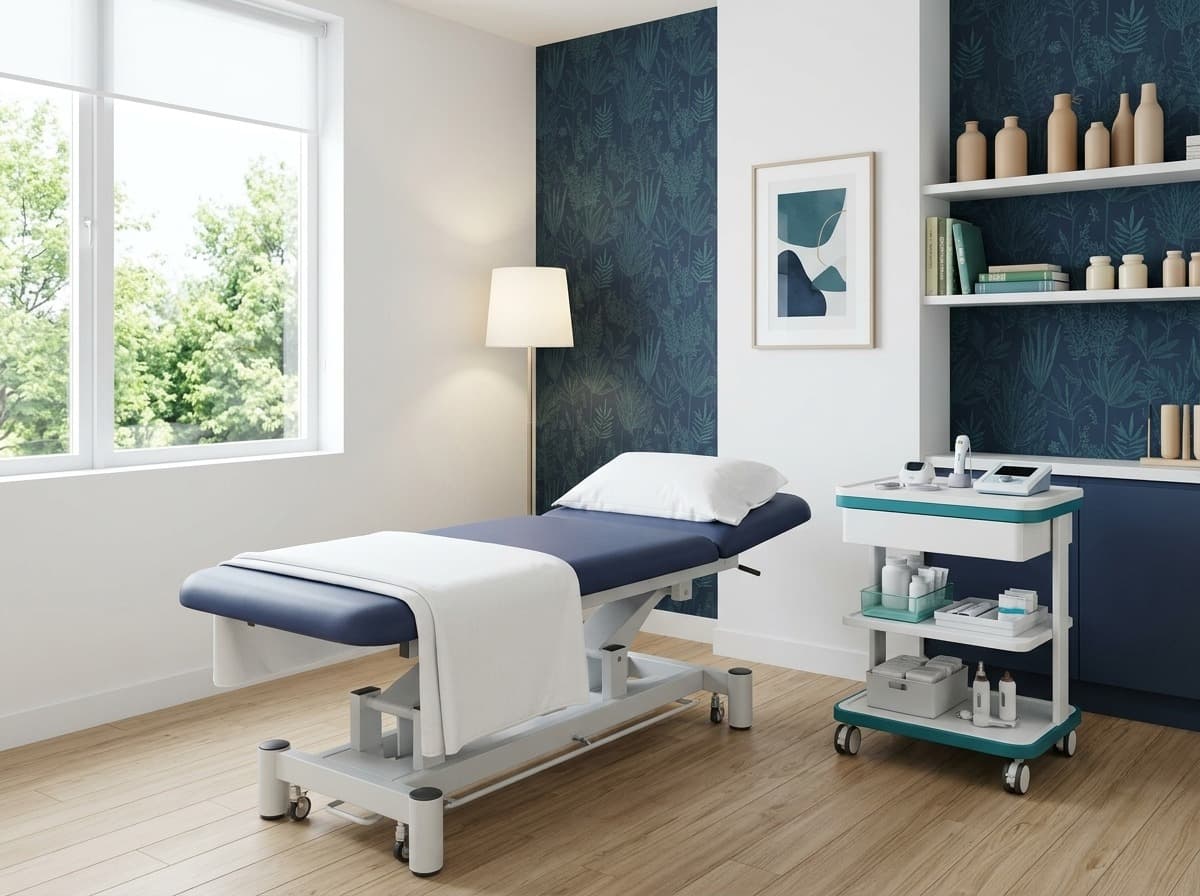
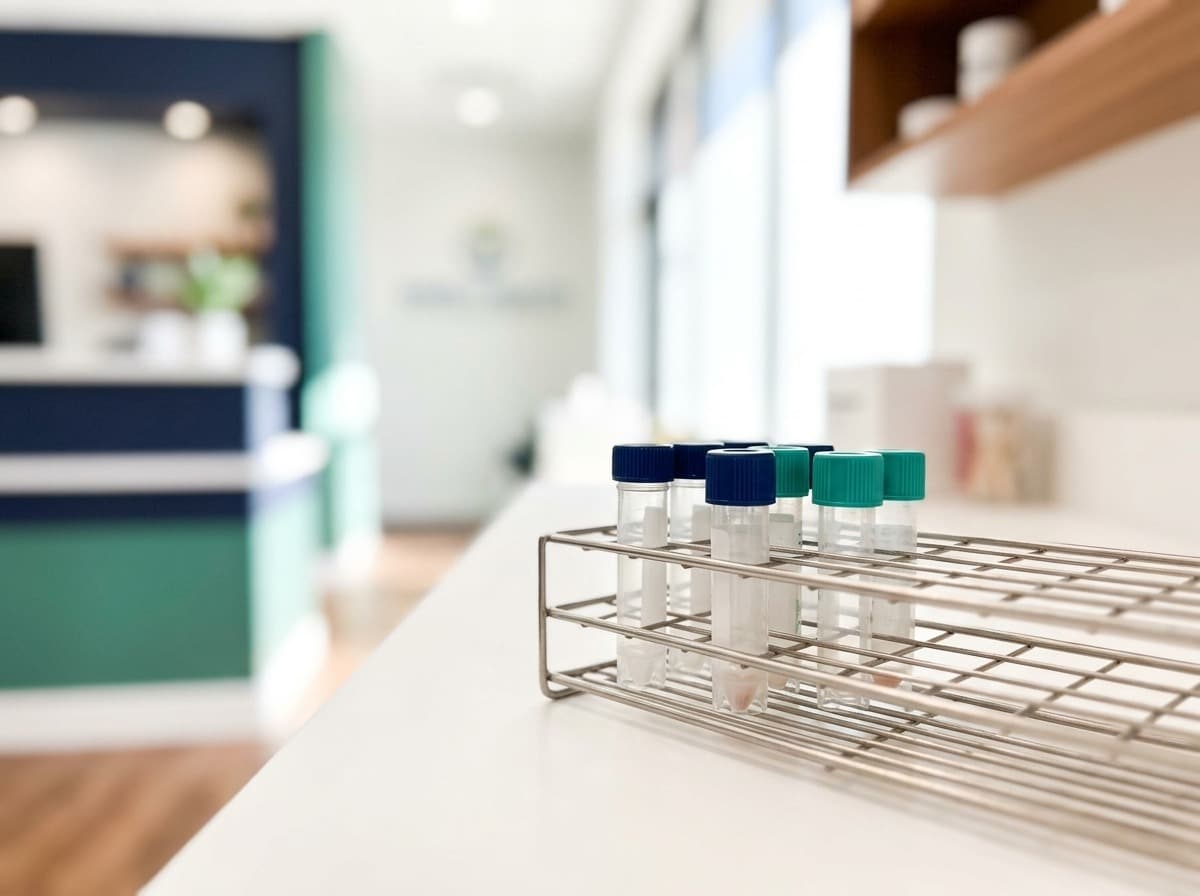
Inside our St. Louis regenerative clinic

Frequently asked
Common questions
▸Where can I get PRP for joint pain in St. Louis?
Simply Health Integrated Medical at 12977 N Forty Dr, Suite 105, St. Louis, MO 63141 offers PRP injections for knee, shoulder, hip, and other joints. Evaluated by Dr. Nick Hasenfratz, DC, regenerative medicine specialist. By appointment 24/7. Call (636) 590-4686.
▸Does PRP work for knee pain?
For mild-to-moderate knee osteoarthritis, meniscal-related pain, patellar tendinopathy, and post-overuse knee pain, PRP can be a reasonable conservative option to evaluate. For advanced bone-on-bone arthritis where joint replacement is appropriate, PRP is not typically the right answer. The candidacy evaluation determines which group you are in.
▸How many PRP injections do I need for a joint?
A series of 2 to 3 injections spaced 4 to 6 weeks apart is common, but the specific number depends on the joint, the underlying problem, and patient response. The plan is reviewed during the evaluation rather than committing to a one-size-fits-all protocol.
▸Is PRP better than cortisone for joint pain?
Different mechanisms, different timelines. Cortisone provides faster anti-inflammatory relief but is generally considered a short-term tool with cumulative joint-tissue concerns when used repeatedly. PRP works more slowly but aims to deliver repair signals rather than mask inflammation. The right tool depends on the situation, which the evaluation determines.
▸How long does joint PRP last?
Patient response varies. Some patients report meaningful relief for 6 to 12 months or more after a PRP series; others get less durable response. Repeat injections or a maintenance approach may be considered depending on the case. Longevity is reviewed during the evaluation alongside realistic expectations.
▸Does PRP for joints hurt?
Most patients describe the PRP injection as well-tolerated, similar to other in-office injections. There may be some soreness or inflammatory response in the joint for a few days after, which is expected and part of the biologic response.
▸Is PRP covered by insurance for joint pain?
Most insurance plans do not cover PRP for joint pain. Cost is reviewed during the evaluation so you understand the full picture before committing.
▸Who is not a good candidate for joint PRP?
Active infection, certain bleeding disorders, current chemotherapy, advanced bone-on-bone arthritis where joint replacement is the appropriate answer, and several other conditions are reasons PRP may not fit. The candidacy evaluation reviews health history specifically to identify whether PRP is appropriate for your case.
Next step
Ready to find the right next step?
If this page sounds like what you are looking for, request a consultation or call the office so the team can help you choose the right starting point.