
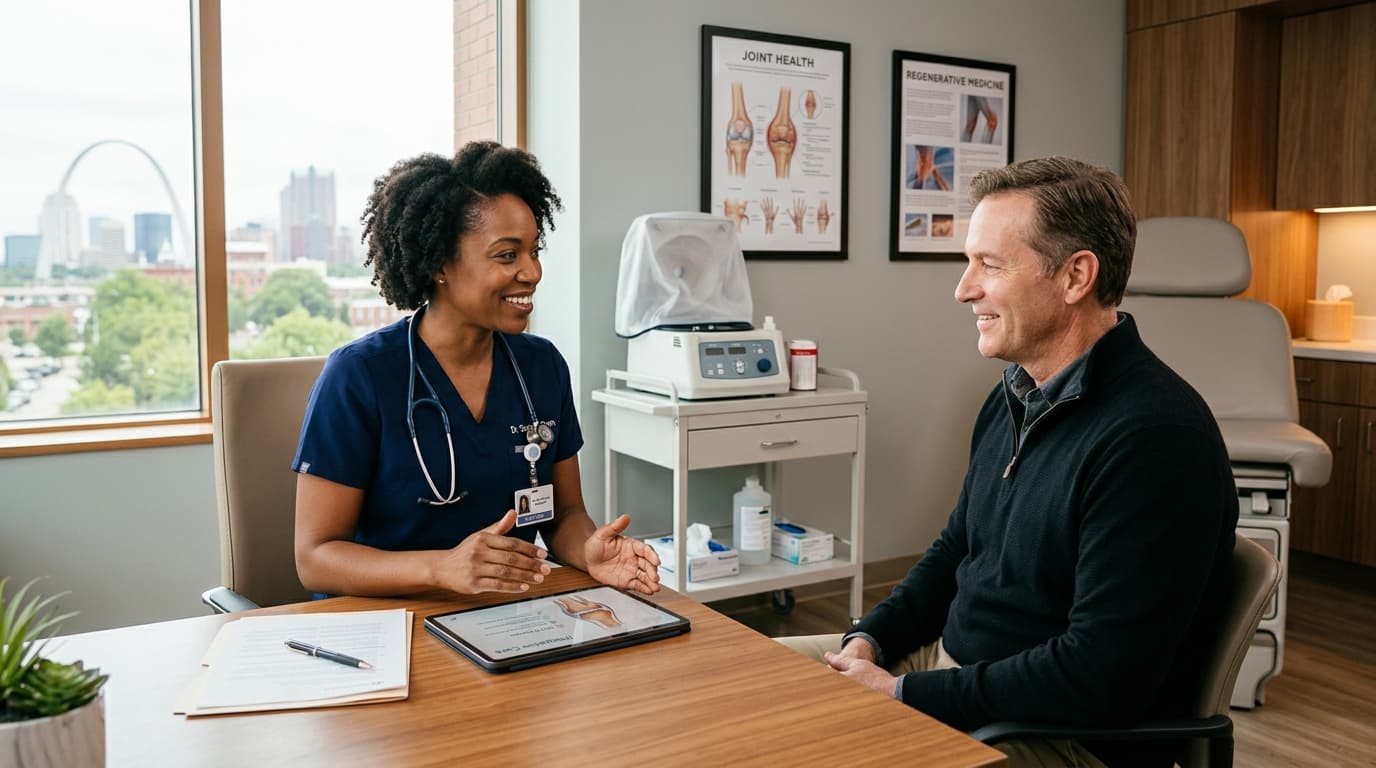
PRP — hair restoration
PRP for Hair Restoration in St. Louis
PRP for hair restoration uses a concentrated form of your own blood's platelets to deliver growth-factor signals to the scalp, with the goal of supporting hair follicle function in the early-to-moderate stages of hair thinning. At Simply Health Integrated Medical in St. Louis, hair restoration PRP is evaluated as part of a broader hair-health conversation that may also involve hormone, nutrition, and stress factors driving hair loss. It is one application of the PRP therapy we offer.
What to expect
Simply Health Integrated Medical helps patients understand symptoms, goals, and options before recommending a care path.
The next step is a consultation request or direct call so the team can determine whether the clinic is a good fit for your needs.
Female hair loss treatment in St. Louis: cause first, then PRP for the right candidates
If your part is widening or the shower drain has become a daily worry, the first useful thing to know is that "hair loss" is not one condition. It comes in three patterns, and the right treatment depends on which one you have:
- **Pattern thinning** (female pattern hair loss, the hereditary kind): gradual overall thinning or a widening part, often more noticeable after menopause. This is the kind PRP is studied for. - **Shedding** (telogen effluvium): a sudden increase in hairs coming out, usually a few months after a trigger such as childbirth, illness, surgery, major weight loss or stress, or stopping birth control. It often stops on its own, so it is not a reason to start injections. - **Patchy, scarring, inflamed, or very sudden loss**: smooth bald patches, a sore or scaly scalp, or hair that came out fast. These belong with a dermatologist first.
At our Creve Coeur clinic on North Forty Drive, we work out which pattern you have before we talk about the scalp. That means considering what can sit upstream of thinning in women (thyroid function, iron status, hormone stage), including a thyroid evaluation that looks past a single TSH number when the picture calls for it. Hereditary thinning with follicles still active? PRP is a reasonable option to evaluate. Shedding? The plan is about the trigger, not the scalp. Patchy, scarring, or inflamed? We will tell you to see a dermatologist, and we mean it.
To book an evaluation, use the consultation form or call (636) 590-4686.
Why patients ask about PRP for hair
Patients usually come in after noticing real thinning — hair appearing thinner at the part, more shedding in the shower, family members commenting, or a visible scalp where there used to be density. The first-line options (minoxidil, finasteride for men, sometimes spironolactone for women) have either not worked, caused side effects, or felt like a forever commitment without a long-term plan. PRP is often the next step patients consider.
What causes hair loss in women (and why it changes the plan)
The American Academy of Dermatology puts it plainly: without an accurate diagnosis, hair loss treatment is often ineffective. That is why this section comes before the PRP section.
**Hereditary pattern thinning.** In women this shows up as overall thinning or a widening part rather than a receding hairline; hormones appear to play a role, which is one reason it becomes more common after menopause. The follicles are still there but underperforming, and those are the follicles PRP is aimed at.
**Shedding after a trigger.** Telogen effluvium is the body pushing an unusual number of hairs into the resting phase at once. It shows up a few months after the trigger and, according to the AAD, often stops on its own; postpartum shedding tends to peak around four months. If yours started within a few months of a baby, an illness, a surgery, or a very hard season, look for the trigger before you book a scalp procedure.
**Thyroid, iron, and hormones.** All three are on the AAD's list of hair loss causes, and all three are worth evaluating before anything else, because when one of them is the driver, treating it is the plan:
- Thyroid problems can produce thinning hair. Our thyroid page describes the fuller workup (TSH plus free T3, free T4, reverse T3, and thyroid antibodies) because a "normal" TSH alone can miss a pattern that still affects hair. - Low iron is a recognized cause of hair loss. Whether iron is actually the problem is a ferritin-and-iron-panel question; our iron IV therapy article explains why iron is not given on request. - Hormone stage matters. Hormonal imbalance, including PCOS and the changes around menopause, is on the AAD's list, and hair and skin changes are among the reasons women come to us for bio-identical hormone therapy. Whether hormones need treating is a separate decision from whether PRP fits.
This cause-first evaluation is the same functional medicine approach we apply across the clinic: look for what is upstream before treating the symptom in isolation.
**When a dermatologist is the right first stop.** The AAD's position is that dermatologists are the experts in diagnosing and treating hair loss, and for some presentations that is where you should start. If your hair loss is patchy (smooth round bald spots), came with a sore, scaly, or scarred scalp, started very suddenly, or is being pulled out by tight styles, see a dermatologist first. Alopecia areata is an immune attack on the follicle, scarring alopecia destroys follicles permanently, and scalp infections need specific treatment. PRP addresses none of those, and we do not diagnose them here; we are glad to work alongside a dermatologist on the thyroid, iron, and hormone side. If advanced loss has you considering a transplant, that is a hair restoration surgeon's territory, not ours.
What PRP does for hair
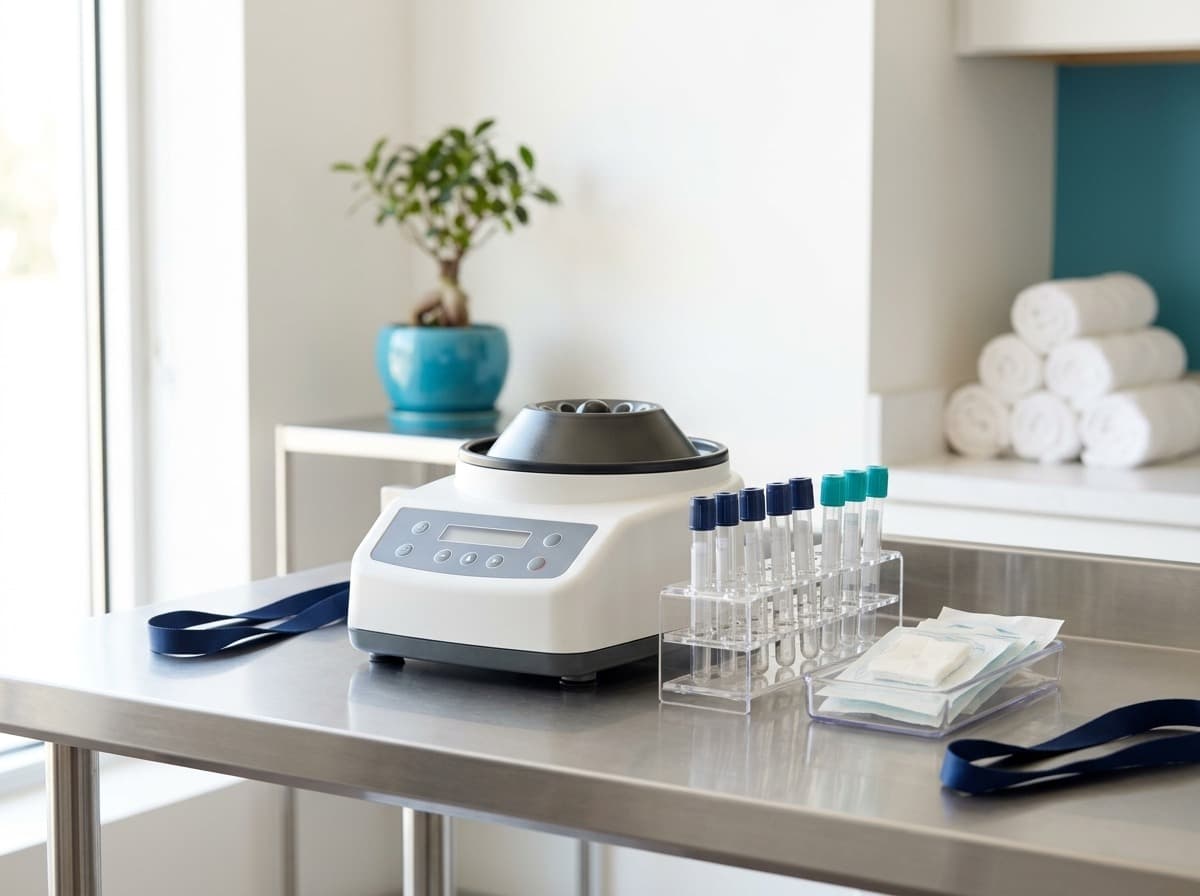
A small blood sample is drawn, processed in a centrifuge to concentrate the platelet-rich plasma, and that plasma is injected into the scalp in a pattern targeting the thinning areas. The growth factors carried by platelets are thought to support hair follicle function — particularly follicles that are present but underperforming. PRP is most effective when there are still active follicles to work with; it does not regrow hair in areas where follicles have been gone for years.
**What the evidence shows, and what it does not.** A 2024 meta-analysis of 14 randomized trials (431 patients) found that PRP increased hair density compared with placebo at 3 to 6 months, by about 28 hairs per square centimeter on average. The authors raise two caveats themselves: results varied widely between studies, and studies with poor results appear less likely to have been published. A 2024 review limited to women (21 trials, 628 participants) also found higher density and thickness with PRP, while a 2023 review found density improved against placebo but thickness did not. For female pattern hair loss specifically, the American Academy of Dermatology's view is that more studies are needed to know whether PRP is safe and effective.
Our reading: PRP is a legitimate option for early-to-moderate pattern thinning, with a real but variable effect on density. It is an option, not a proven fix, and it still comes after finding out why the hair is thinning.
PRP for men
For men with early-to-moderate male pattern hair loss (typically frontal and crown thinning, not yet advanced), PRP can be a reasonable option to evaluate alongside or in place of finasteride or minoxidil. The candidacy review considers the pattern, the duration of loss, family history, and whether other contributors such as thyroid, iron, or stress are involved.
PRP for women
For women with female pattern hair thinning, candidacy review starts with the causes above: thyroid function, iron status, menopause stage, and androgens. Hair thinning in women often has multiple contributors, and PRP works best as part of a plan that addresses what is upstream of the thinning, not just the scalp. If the evaluation points to shedding rather than pattern thinning, we will say so; injecting a scalp that is going to recover on its own is not a good use of your money.
What the visit looks like
The first visit is an evaluation. The team reviews the pattern, duration, prior treatments, hormone and nutritional context, medications, and goals, and considers whether thyroid, iron, or hormone factors need to be looked at before or alongside any scalp treatment. If PRP is appropriate, the procedure involves a blood draw, centrifuge preparation, and a series of small scalp injections in the targeted area. Most patients describe the procedure as well-tolerated, though you should expect bruising and soreness at the injection sites for a couple of days afterward. Topical numbing is available.
Realistic expectations and timeline
A series of 3 to 4 PRP treatments spaced 4 to 6 weeks apart is common, and it matches the protocols used in the published trials (typically 3 to 5 sessions, 4 to 6 weeks apart). After the initial series, maintenance every 3 to 6 months is typical; the AAD describes the same cadence. The exact interval is set by your response and our clinic protocol.
The trials measured PRP's effect at 3 to 6 months, and that is the window in which to judge whether it is working: less shedding first, then some improvement in density. In our clinic we sometimes observe change continuing past six months. That is clinic observation; the trials did not measure it, and we do not promise it. Stopping treatment entirely tends to allow a gradual return toward baseline thinning, which is why a long-term plan is part of the conversation from the start.
**Side effects.** Expect bruising, soreness, and scalp tenderness at the injection sites for about 48 to 72 hours, occasionally with a mild headache. In the pooled women's trials these were mild and cleared within a few days, and none of the reviews we cite reported a serious adverse event.
PRP supports follicle function. It does not create new follicles where they no longer exist.
Request a hair restoration PRP consultation
If you are dealing with hair thinning (early-to-moderate pattern, not advanced baldness) and you want a structured evaluation that considers the scalp, the hormones, and the bigger picture, request a hair restoration consultation. The next step is determining what is driving the thinning, whether PRP fits, and what a realistic plan looks like. Call (636) 590-4686 or use the consultation form.
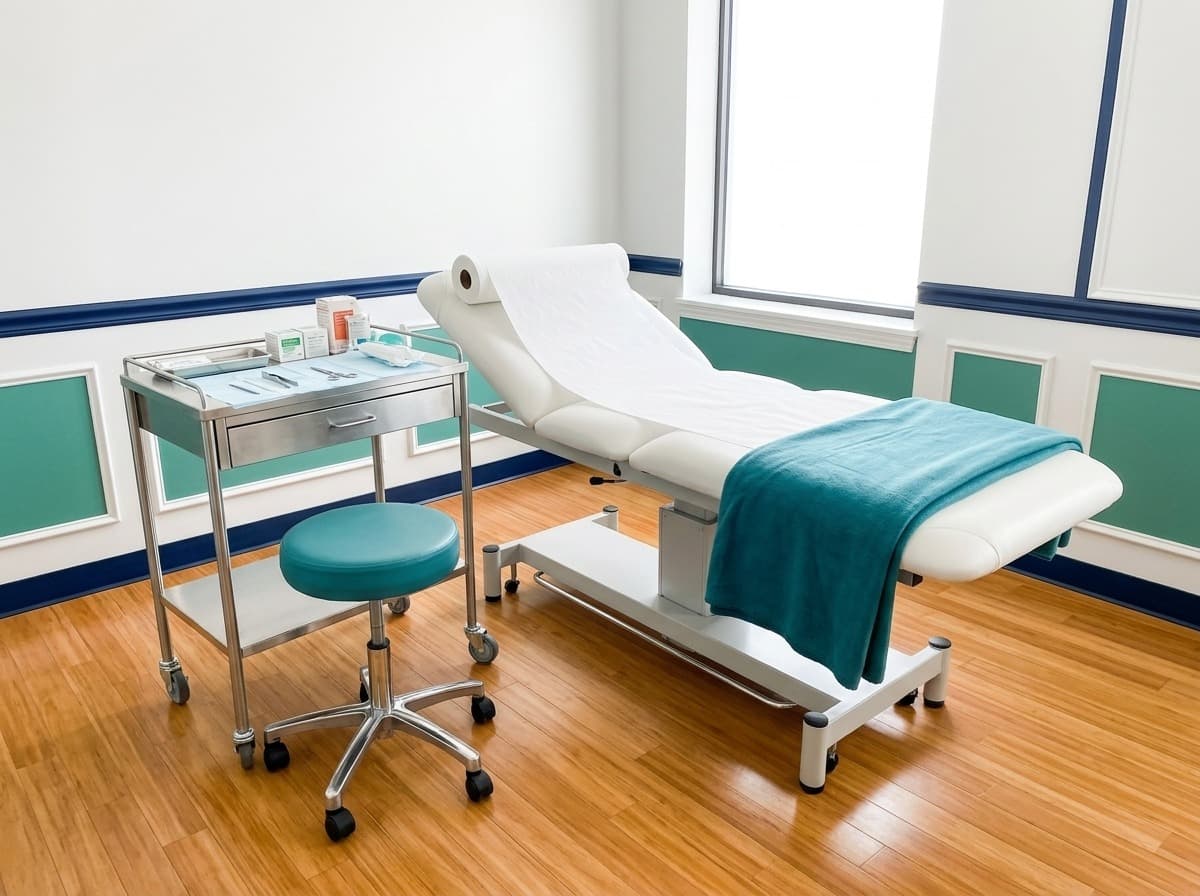
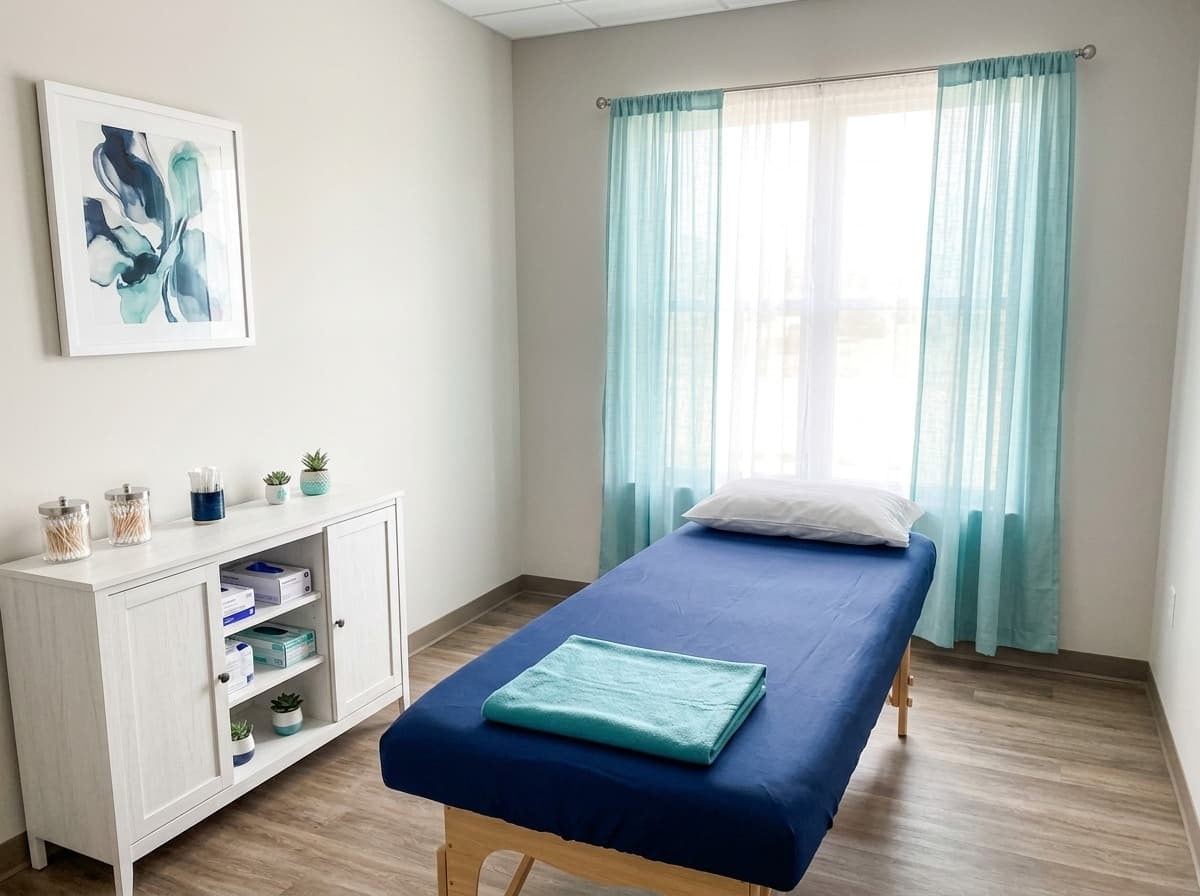
Inside our St. Louis regenerative clinic
Frequently asked
Common questions
▸Where can I get PRP for hair restoration in St. Louis?
Simply Health Integrated Medical at 12977 N Forty Dr, Suite 105, St. Louis, MO 63141 offers PRP for hair restoration as part of a broader hair-health evaluation led by Dr. Bryan Deloney, DC, and Dr. Nick Hasenfratz, DC. By appointment 24/7. Call (636) 590-4686.
▸What causes female hair loss?
Hereditary pattern thinning (a widening part or overall thinning, more common after menopause); shedding a few months after a trigger such as childbirth, illness, surgery, or stopping birth control (telogen effluvium, which often resolves on its own); thyroid disease, low iron, and hormone changes such as PCOS or menopause; and patchy or scarring conditions that a dermatologist should diagnose.
▸Does PRP actually work for hair loss?
For early-to-moderate pattern thinning where active follicles are still present, pooled randomized trials show PRP increases hair density compared with placebo at 3 to 6 months, with wide variation between studies; one review found thickness did not improve over placebo. The American Academy of Dermatology says more studies are needed for female pattern hair loss specifically. PRP does not regrow hair in areas where follicles have been gone for years, and the candidacy evaluation is honest about that distinction.
▸How many PRP sessions do I need for hair?
A series of 3 to 4 treatments spaced 4 to 6 weeks apart is common, often followed by maintenance treatments every 3 to 6 months. The specific schedule depends on the pattern, the response, and the broader plan.
▸Is PRP for hair better than minoxidil or finasteride?
Different mechanisms — PRP, minoxidil, and finasteride work differently. They are often used together rather than as either/or. The right combination depends on the patient's pattern, hormone context, response to prior treatments, and goals.
▸Does PRP for hair hurt?
Most patients describe the scalp injections as well-tolerated, similar to other in-office injection procedures. Expect some bruising and soreness at the injection sites for two to three days. Topical numbing can be used to reduce discomfort further.
▸When should I see a dermatologist instead?
See a dermatologist first if your hair loss is patchy, came on suddenly, or comes with a sore, scaly, or scarred scalp. The American Academy of Dermatology describes dermatologists as the experts in diagnosing and treating hair loss, and those conditions need a diagnosis PRP cannot provide. We are happy to work alongside your dermatologist on the thyroid, iron, and hormone side.
▸Is PRP for hair covered by insurance?
PRP for hair restoration is typically not covered by insurance. Cost is reviewed during the evaluation.
Next step
Ready to find the right next step?
If this page sounds like what you are looking for, request a consultation or call the office so the team can help you choose the right starting point.