
Peptide therapy · education
How Peptide Therapy Works: What to Expect
Peptide therapy is heavily searched and heavily marketed, and most of that marketing jumps straight to product names. This article does the opposite: it explains how peptides work in the body, how peptide therapy is typically administered, and why evaluation and sourcing matter far more than any specific name. It is educational only and not medical advice, and it does not recommend or list specific products.
What to expect
Simply Health Integrated Medical helps patients understand symptoms, goals, and options before recommending a care path.
The next step is a consultation request or direct call so the team can determine whether the clinic is a good fit for your needs.
What peptides are, in plain terms
Peptides are short chains of amino acids — the same building blocks that make up proteins, just in smaller sequences. The body produces many peptides naturally, and they act as signals: they bind to receptors and tell cells to do specific things. "Peptide therapy" refers to using selected peptides with the goal of supporting a particular signaling pathway. Because different peptides target different pathways, they are not interchangeable, and "peptides" is a broad category rather than a single treatment.
How peptides work in the body
Most therapeutic peptides work by acting like a key that fits a particular lock — a receptor on a cell — and nudging a process that is already part of normal physiology. That is why the relevant question is never just "do peptides work" but "which pathway, for which goal, with what evidence." Some peptide applications have meaningful research behind them; others are mostly preclinical or driven by online claims that outrun the data. An honest evaluation sorts those apart instead of treating the whole category as proven.
How peptide therapy is typically administered
Peptides are most commonly given by injection, though some are delivered other ways depending on the molecule. Dosing is usually structured and monitored rather than open-ended, and follow-up matters because response and tolerance vary from person to person. This is one reason peptide therapy belongs in a clinical relationship, not a self-directed online purchase — administration, dosing, and monitoring are part of doing it responsibly.
Why sourcing and regulation matter more than the name
The biggest risks in peptides usually are not about the molecule in the abstract — they are about quality, sourcing, dosing, and regulatory status. Peptides bought online without oversight can have purity and contamination problems, inaccurate dosing, and unclear legal standing, and regulatory status for many peptides has been shifting. A clinic that takes this seriously reviews source quality and current regulatory guidance before recommending anything, and will decline when something is not appropriate or available.
Why evaluation comes before any product
At Simply Health Integrated Medical, peptide therapy starts with the goal, not the product: what are you actually trying to improve, what does your health history show, and is a peptide approach even the right tool? Because the clinic also offers PRP, regenerative medicine, hormone, and functional-medicine options, the evaluation can compare paths rather than defaulting to whatever is trendy. The specific options appropriate for a given person are reviewed privately during that evaluation — which is exactly where they belong.
What to expect if you book a consultation
A peptide consultation is a conversation about goals, history, and realistic options — not a sales pitch for a particular vial. Expect questions, an honest read on what the evidence supports, and a recommendation that may or may not include peptides. Call (636) 590-4686 or request a consultation to start with an evaluation in St. Louis.
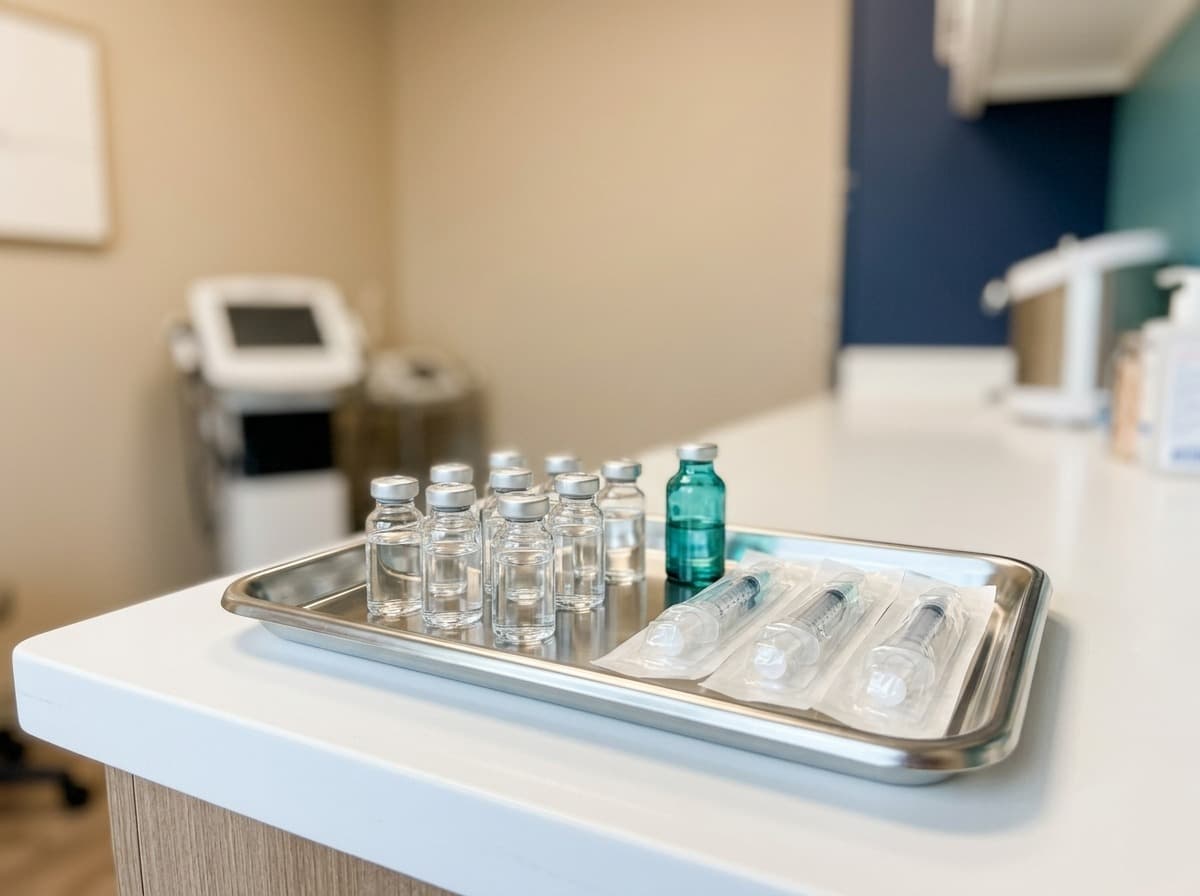
Inside our St. Louis peptide therapy clinic


Frequently asked
Common questions
▸How does peptide therapy work?
Peptides are short chains of amino acids that act as signals — they bind to receptors and prompt specific cellular processes. Peptide therapy uses selected peptides to support a particular pathway. Different peptides target different pathways, so they are not interchangeable, and the right question is which pathway for which goal, with what evidence.
▸How is peptide therapy administered?
Peptides are most commonly given by injection, with structured, monitored dosing and follow-up because response and tolerance vary by person. That monitoring is part of why peptide therapy belongs in a clinical setting rather than a self-directed online purchase.
▸What should I take peptides for?
That is exactly what an evaluation is for — it starts with your goal and health history and determines whether a peptide approach is even the right tool, comparing it against other options. This article intentionally does not recommend specific products; appropriate options are reviewed individually during a consultation.
▸Is it safe to buy peptides online?
Buying peptides online without oversight carries real risks around purity, contamination, dosing accuracy, and unclear regulatory status. A responsible clinic reviews source quality and current regulatory guidance before recommending anything. Call (636) 590-4686 to review candidacy safely in St. Louis.
Next step
Ready to find the right next step?
If this page sounds like what you are looking for, request a consultation or call the office so the team can help you choose the right starting point.