

BHRT — pellet therapy
Hormone Pellet Therapy in St. Louis
Hormone pellet therapy is a delivery method for bio-identical hormone replacement therapy (BHRT) that uses small, subcutaneous pellets to deliver a steady dose of bio-identical estradiol or testosterone over several months — without daily creams, weekly injections, or fluctuating levels. At Simply Health Integrated Medical in St. Louis, hormone pellet therapy is evaluated as part of a broader, Evexias-informed BHRT plan that considers symptoms, labs, health history, and goals before any pellet is inserted.
What to expect
Simply Health Integrated Medical helps patients understand symptoms, goals, and options before recommending a care path.
The next step is a consultation request or direct call so the team can determine whether the clinic is a good fit for your needs.
What hormone pellet therapy actually is
A hormone pellet is a small, compressed cylinder of bio-identical estradiol (for women) or testosterone (for women or men) about the size of a grain of rice. It is inserted under the skin — usually in the upper hip area — through a small in-office procedure that takes only a few minutes. The pellet then releases hormone steadily as the body draws blood through it, providing a more even dose curve than creams, gels, patches, or injections.
Why patients ask about pellets specifically
The two most common reasons patients ask about pellet therapy: first, they are tired of the daily ritual of creams or the weekly schedule of injections; second, they have been on cream or injection-based BHRT and the symptom relief feels inconsistent. Pellets deliver a more steady dose over 3 to 5 months for women and 4 to 6 months for men, which can translate to smoother symptom control for the right patient.
Pellet therapy for women
For women, hormone pellets are most often discussed for perimenopause and menopause symptom management — hot flashes, night sweats, sleep disruption, mood changes, libido changes, brain fog, and energy concerns. Estradiol pellets are commonly considered, sometimes with low-dose testosterone where appropriate. Progesterone, when needed, is typically prescribed separately as an oral or topical because pellet progesterone is not commonly used.
Pellet therapy for men
For men, testosterone pellets are an option for low-testosterone symptom management. Men typically receive testosterone pellets approximately every 4 to 6 months. The pellet route appeals to men who do not want to manage weekly injections or daily creams and who prefer a 'set and check' rhythm with periodic labs to confirm the dose is appropriate.
The Evexias-informed protocol
Simply Health Integrated Medical uses an Evexias-informed approach to pellet therapy. That means symptoms, labs, health history, contraindications, and follow-up monitoring are part of the plan — not just a number on a single test. Candidacy is determined after evaluation, and not every patient is a pellet candidate. Some patients are better served by cream, patch, or injection-based BHRT depending on their situation.
What to expect at the first visit
The first visit is an evaluation, not a pellet insertion. The team reviews symptoms, current medications, prior hormone work, lab values when available, and goals. Labs may be ordered. If pellet therapy is appropriate, the insertion happens at a follow-up visit. Re-pelleting is typically every 3 to 5 months for women and every 4 to 6 months for men, with labs to confirm dosing.
Request a hormone pellet consultation
If you are considering hormone pellet therapy — or have been on creams or injections and are not getting the consistency you want — request a BHRT consultation. The next step is an evaluation: is pellet therapy the right route for your case, and what does a realistic plan look like.
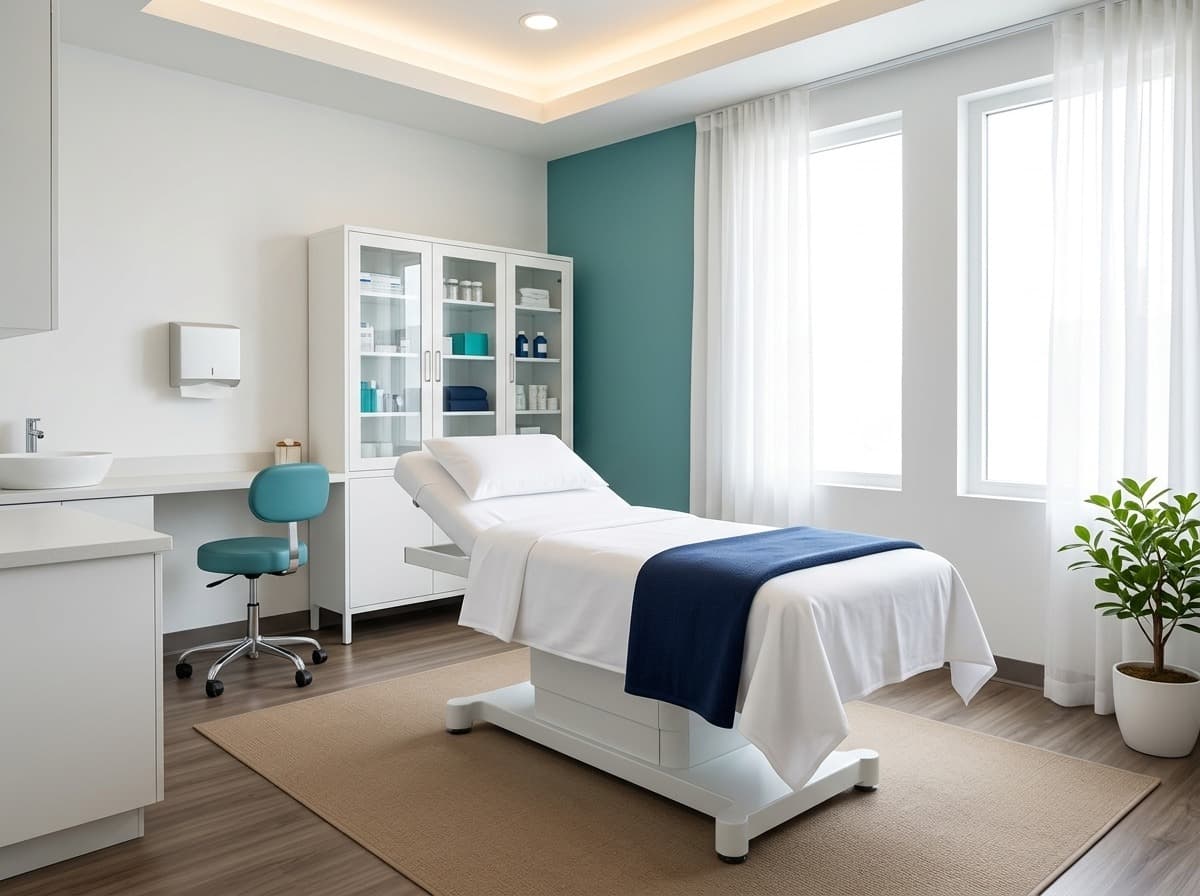
Inside our St. Louis hormone clinic


Frequently asked
Common questions
▸Where can I get hormone pellet therapy in St. Louis?
Simply Health Integrated Medical at 12977 N Forty Dr, Suite 105, St. Louis, MO 63141 offers hormone pellet therapy as part of an Evexias-informed BHRT program for women and men. By appointment 24/7. Call (636) 590-4686.
▸How long do hormone pellets last?
Estradiol pellets for women typically last 3 to 5 months. Testosterone pellets for men typically last 4 to 6 months. Re-pelleting frequency depends on labs, symptom response, and the patient's metabolism — not a fixed calendar interval.
▸Are hormone pellets bio-identical?
Yes. Hormone pellets used at Simply Health Integrated Medical contain bio-identical estradiol or testosterone — meaning chemically identical to the hormones the body produces naturally. This is distinct from synthetic hormones like medroxyprogesterone or conjugated equine estrogens.
▸Are hormone pellets better than creams or injections?
Not universally better — different delivery methods fit different patients. Pellets provide a steadier dose over months and remove the daily or weekly application requirement. Creams allow easier dose adjustment. Injections allow precise dose control session-to-session. The evaluation determines which delivery route fits your situation.
▸Does hormone pellet insertion hurt?
Insertion is done under local anesthesia and most patients describe minimal discomfort. The procedure takes about 5 to 10 minutes. There may be some soreness or bruising at the insertion site for a few days, which is normal and self-limited.
▸What are the side effects of hormone pellet therapy?
Possible side effects depend on the hormone, the dose, and the individual. For women: breast tenderness, mood changes, irregular bleeding (especially early in therapy), or fluid shifts. For men: acne, mood changes, elevated red blood cell count, or libido changes. Risks are reviewed individually before pellet insertion based on health history.
▸Who is not a candidate for hormone pellet therapy?
Pregnancy, certain hormone-sensitive cancers, untreated cardiovascular disease, unexplained vaginal bleeding (for women), and several other conditions are contraindications. The candidacy evaluation reviews health history specifically to identify whether pellet therapy is safe for your case.
▸Does insurance cover hormone pellet therapy?
Most insurance plans do not cover hormone pellet therapy. Cost is reviewed during the evaluation so you understand the full picture before committing to a course of care.
Next step
Ready to find the right next step?
If this page sounds like what you are looking for, request a consultation or call the office so the team can help you choose the right starting point.