

BHRT — women's hormone health
BHRT for Women in St. Louis
Bioidentical hormone replacement therapy (BHRT, also written bio-identical) for women supports the symptoms that show up in perimenopause and menopause — hot flashes, night sweats, sleep disruption, mood changes, libido changes, vaginal dryness, brain fog, and energy concerns — when evaluation, history, and labs support hormone therapy as the right step. At Simply Health Integrated Medical in St. Louis, women's BHRT starts with that evaluation, and the clinic's clinical team offers hormone pellets, creams, patches, or oral routes depending on the patient.
What to expect
Simply Health Integrated Medical helps patients understand symptoms, goals, and options before recommending a care path.
The next step is a consultation request or direct call so the team can determine whether the clinic is a good fit for your needs.
Bioidentical hormone therapy in St. Louis: what BHRT for women means here
"Bioidentical" means the hormone has the same molecular structure as the estradiol or progesterone your own body makes. The word covers two kinds of product: FDA-approved bioidentical hormones such as estradiol patches, oral estradiol, and oral micronized progesterone, and compounded products such as pellets and many custom creams, which a pharmacy prepares to order and which are not FDA-approved. Both are bioidentical. They are not regulated the same way, and that difference shapes how a route is chosen and monitored.
At our clinic in Creve Coeur, serving women across the St. Louis metro, BHRT is evaluated before it is prescribed. The clinical team reviews your symptoms, stage, and medical history, orders the labs that make sense, and then talks through the routes that fit you. Candidacy depends mostly on your age, how far you are from your last period, and a short list of history items covered below. To start, request a consultation through the form or call (636) 590-4686.
When women start asking about BHRT
Most women who reach out are in their late 30s through 60s and noticing that something has shifted — sleep is not the same, mood swings have intensified, energy has dropped, weight has changed in places that did not used to be a problem, intimacy has changed, brain fog has crept in. The first step is determining what is hormone-driven and what is being driven by thyroid, sleep, stress, metabolic health, or another cause. BHRT is one option, not the only option, and not the right option for every woman.
That sorting step is not a formality. An underactive thyroid can look a lot like perimenopause on paper, which is why thyroid testing and treatment sits alongside hormone evaluation here rather than after it. When cortisol, gut, or blood sugar are part of the picture, the functional medicine evaluation is where those threads get pulled together.
Symptoms women's BHRT is most often discussed for
Hot flashes and night sweats. Sleep disruption that is not just stress. Mood swings, irritability, or persistent low mood. Loss of libido and intimacy concerns. Vaginal dryness or genitourinary changes. Weight changes — especially central weight gain — that have not responded to the patient's usual diet and exercise. Brain fog and cognitive changes. Bone health concerns. Skin and hair quality changes. Energy and motivation drops that did not exist in earlier years.
Not every item on that list has the same evidence behind it. Hot flashes, night sweats, and vaginal or urinary symptoms are what hormone therapy is established for; preventing bone loss is a recognized benefit. Weight, brain fog, and energy are reasons women ask about BHRT; the clinic does not promise them as outcomes.
How BHRT for women is evaluated here
An evaluation typically reviews symptom history, menstrual or menopause stage, prior hormone work, medications, medical history including breast and cardiovascular history, family history, and goals. Labs may include estradiol, progesterone, FSH, LH, TSH and broader thyroid markers, DHEA, testosterone (yes — women have testosterone too), and metabolic markers when relevant. The recommendation is based on the full picture, not on chasing a single number.
Labs inform the evaluation, but they do not set the dose. The Menopause Society's guidance is that dosing hormone therapy by serum, saliva, or urine levels is unreliable; dose decisions follow symptoms and safety, with periodic reevaluation. The evaluation is led by Dr. Bryan Deloney (DC, MS Human Nutrition and Functional Medicine) and the clinic's clinical team, which handles prescription hormone care.
Is BHRT safe? Candidacy, contraindications, and the FDA-approved vs compounded question
Safety depends on who you are and what you take. The 2022 Menopause Society position statement puts it this way: for women under 60 or within ten years of menopause onset with no contraindications, the benefit-risk ratio of hormone therapy is favorable for bothersome hot flashes and for preventing bone loss. Start it more than ten years out or after 60 and the picture looks less favorable, because the absolute risks of heart disease, stroke, blood clots, and dementia are higher.
Some histories rule hormone therapy out or call for a very different conversation: unexplained vaginal bleeding, active liver disease, prior breast cancer or another estrogen-sensitive cancer, prior heart attack, stroke, or venous blood clot, and a personal or inherited high risk of clotting. Those are the first things the evaluation checks, and if one applies to you, you will hear that plainly. Hormone therapy also has ordinary side effects, including breast tenderness, bloating, breakthrough bleeding, headaches, and fluid retention or weight gain, which is one reason the clinic does not present BHRT as a weight treatment.
If you have a uterus and take systemic estrogen, you need a progestogen with it. Estrogen on its own raises the risk of endometrial overgrowth and cancer, which is why progesterone is typically prescribed alongside estradiol here even when the estradiol comes as a pellet.
Compounded products, including pellets, are not FDA-approved, and the FDA states it does not verify the safety, effectiveness, or quality of compounded drugs before they are sold. The Menopause Society lists pellets and similar implants among untested routes and finds insufficient evidence for compounded hormone therapy in treating menopause symptoms; the Endocrine Society has noted reports of blood levels well above the expected range in women using compounded pellets. None of that means a compounded route is wrong for you. It means the choice is made with those facts on the table and follow-up built in.
Delivery options for women's BHRT
Hormone pellets deliver a dose over 3 to 5 months and remove the daily or weekly application requirement — popular for women tired of remembering daily creams. Bio-identical creams allow easier per-day adjustment and are useful when finding the right dose. Patches deliver consistent dosing with twice-weekly changes. Progesterone is typically prescribed separately, often oral at bedtime, since pellet progesterone is uncommon. The route that fits depends on lifestyle, symptoms, and prior hormone experience.
BHRT vs hormone pellets: same hormones, different tradeoffs
Pellets are not a separate therapy from BHRT; they are one delivery route for it. The practical difference is adjustability. Patches, oral estradiol, and oral micronized progesterone are FDA-approved products whose dose can be changed at the next visit. A pellet is compounded and placed under the skin, and the dose is not adjusted once it is in, so a dose that turns out too high stays too high until it wears off. Creams are adjustable day to day but usually compounded. If you already know you want the long-acting option, the hormone pellet therapy page covers insertion, side effects, and candidacy for that route.
The pellet protocol here is Evexias-informed. In plain terms, Evexias is a company that trains and certifies providers in its own pellet method; it is a training brand, not an independent clinical standard, and it does not change the FDA status of the pellets.
BHRT and weight, sleep, and metabolism
Women in perimenopause and menopause often notice that the same diet and exercise that worked at 35 stops working at 47. Hormone shifts are part of why body composition changes during these years. BHRT is not a weight-loss treatment, though, and weight gain appears on the list of possible hormone therapy side effects rather than its benefits. At Simply Health Integrated Medical, BHRT is rarely a standalone fix; when weight is the goal, it sits inside a broader plan that runs through the weight-loss program and, when appropriate, a workup of thyroid, insulin, and cortisol.
Request a women's BHRT consultation
If sleep, mood, energy, weight, libido, or daily quality of life have shifted and you are wondering whether hormones are part of the story, request a BHRT consultation. The next step is an evaluation — what fits your symptoms, your history, and your safety profile — and you will leave it knowing whether you are a candidate and, if so, which route makes sense. Simply Health Integrated Medical is at 12977 N Forty Dr, Suite 105, St. Louis, MO 63141; consultations are by appointment. Call (636) 590-4686 or use the consultation form.
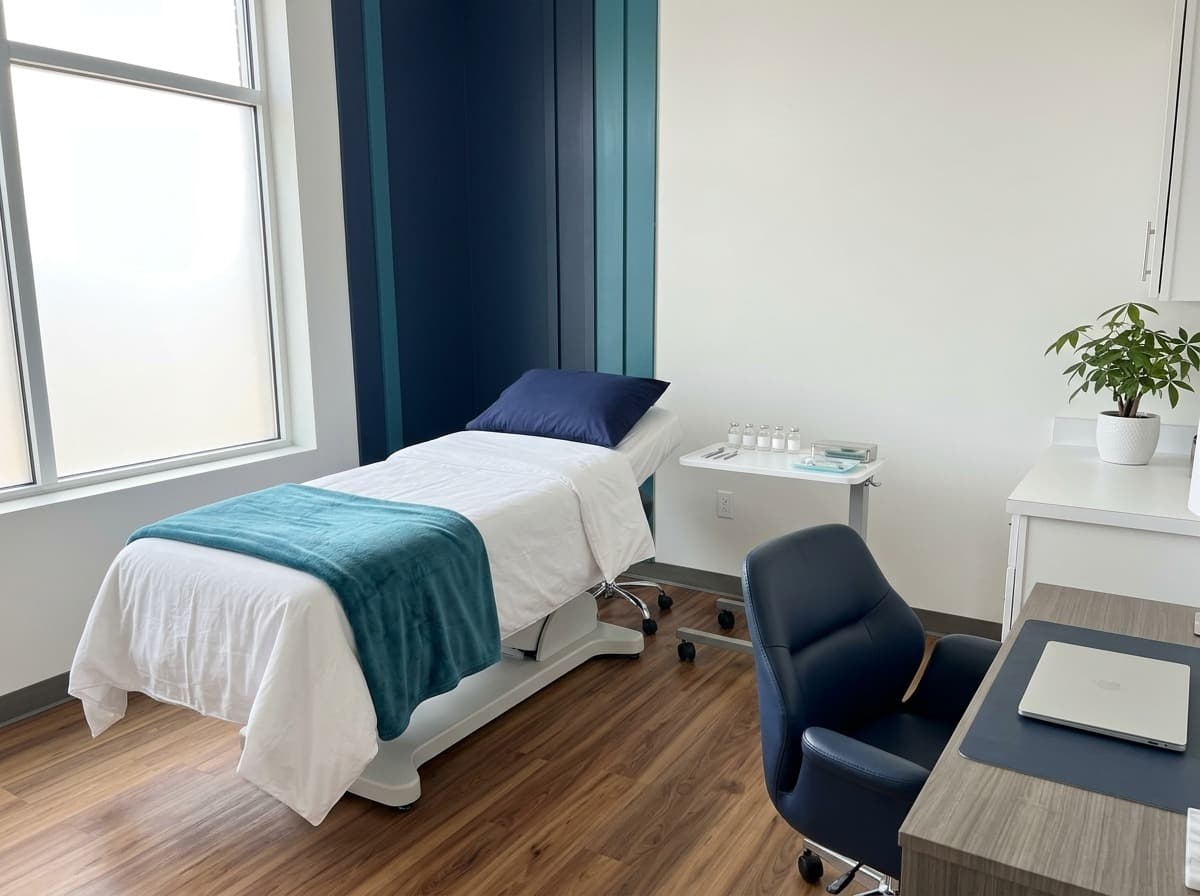
Inside our St. Louis hormone clinic


Frequently asked
Common questions
▸Where can women get BHRT in St. Louis?
Simply Health Integrated Medical at 12977 N Forty Dr, Suite 105, St. Louis, MO 63141 offers evaluation-first BHRT for women, including hormone pellets, creams, patches, and oral options, through the clinic's clinical team. Consultations are by appointment. Call (636) 590-4686.
▸What symptoms does women's BHRT help with?
BHRT for women is most often discussed for hot flashes, night sweats, sleep disruption, mood swings, loss of libido, vaginal dryness, brain fog, central weight gain, low energy, and bone health concerns associated with perimenopause and menopause. Hot flashes, night sweats, and genitourinary symptoms have established evidence; the rest are evaluated case by case, and whether BHRT is the right answer depends on evaluation, labs, and health history.
▸Is BHRT safe for women?
It can be, for the right patient. The Menopause Society's guidance is that for women under 60 or within ten years of menopause with no contraindications, the benefits of hormone therapy generally outweigh the risks; beyond that window the balance shifts. Prior breast or estrogen-sensitive cancer, blood clots, stroke, heart attack, active liver disease, and unexplained vaginal bleeding are the main reasons it is not recommended. Compounded products, including pellets, are not FDA-approved. Candidacy and safety are reviewed during the evaluation specifically to your situation.
▸What is the best BHRT for women — pellets, creams, or pills?
There is no universally best route. Pellets provide long-acting dosing over months and remove daily application, but they are compounded and are not adjusted once placed. Creams allow easier per-day dose adjustment. Patches give consistent twice-weekly dosing and are FDA-approved. Oral progesterone at bedtime is common alongside estradiol. The right route depends on lifestyle, symptoms, safety profile, and prior hormone experience.
▸Will BHRT help with menopause weight gain?
BHRT is not a weight-loss treatment; weight gain is a possible side effect of hormone therapy rather than a benefit. Hormone shifts do contribute to body-composition changes in perimenopause and menopause, but weight itself is addressed through the clinic's weight-loss program, with BHRT as one part of the picture when appropriate.
▸How long does women's BHRT take to work?
There is no fixed timeline. What patients here are typically told is that sleep and night sweats tend to change first, over the first one to two months, and that mood and libido usually take longer, closer to two to three months. Body composition changes take longer still and depend on the broader plan. Milestones are set during the evaluation so progress can be tracked rather than guessed.
▸Do I need to be in menopause to start BHRT?
No. BHRT is also evaluated for perimenopause symptoms — the years before formal menopause when hormone shifts are already happening but periods may still be present. Many women benefit from earlier evaluation rather than waiting for menopause to be 'official.'
▸Does insurance cover BHRT for women?
Coverage varies by plan. In our experience, some hormone prescriptions and labs may be covered, while pellet insertions and bundled BHRT programs typically are not. Cost is reviewed during the evaluation so you understand the full picture before committing.
Next step
Ready to find the right next step?
If this page sounds like what you are looking for, request a consultation or call the office so the team can help you choose the right starting point.