

BHRT — menopause
Menopause BHRT in St. Louis
Menopause — formally, 12 consecutive months without a period — typically begins in the early 50s and brings ongoing hormone changes that can affect sleep, hot flashes, mood, libido, vaginal health, bone density, weight, and quality of life. At Simply Health Integrated Medical in St. Louis, menopause BHRT is evaluated under an Evexias-informed protocol with bio-identical estradiol, progesterone, and low-dose testosterone options to address the symptoms that did not stop once periods did.
What to expect
Simply Health Integrated Medical helps patients understand symptoms, goals, and options before recommending a care path.
The next step is a consultation request or direct call so the team can determine whether the clinic is a good fit for your needs.
What menopause actually is
Menopause is officially diagnosed after 12 consecutive months without a period and typically begins around age 51 in the United States — though it can happen earlier (premature ovarian insufficiency, surgical menopause) or later. Ovarian estradiol production drops substantially. Symptoms can persist for years — sometimes a decade or more — after the last period. The 'just wait it out' advice many women receive does not match how long menopause symptoms can actually last.
Symptoms menopause BHRT is most often discussed for
Hot flashes and night sweats — sometimes severe, sometimes lasting many years after menopause. Sleep disruption that does not respond to sleep hygiene alone. Mood changes including irritability, low mood, or anxiety. Vaginal dryness, painful intimacy, and recurring urinary tract infections (genitourinary syndrome of menopause). Libido drop. Brain fog and cognitive concerns. Bone density concerns. Skin and hair changes. Body composition shifts. Joint discomfort that emerged with menopause.
How menopause BHRT is evaluated
An evaluation typically reviews symptom history, age at last period, prior hormone work, medications, medical history including breast and cardiovascular history, family history, and goals. Labs may include estradiol, FSH, LH, TSH and broader thyroid markers, DHEA, testosterone, lipids, and bone-density context when appropriate. The recommendation accounts for the full picture, not a single number.
Delivery options for menopause BHRT
Bio-identical estradiol delivered by pellet, cream, patch, or in some cases oral. Bio-identical progesterone — typically oral at bedtime, especially helpful for sleep. Low-dose testosterone in select cases for libido and energy. Vaginal estradiol (cream or tablet) for genitourinary symptoms — often used even alongside other delivery routes. The combination is tailored to the patient's symptoms, history, and lifestyle.
Safety and the menopause BHRT conversation
Modern menopause BHRT — particularly with bio-identical estradiol and progesterone — has a different safety profile than the synthetic combined therapy used in some older studies. Risks and benefits are reviewed individually based on age, time since menopause, health history, family history, and goals. The conversation is medical, not promotional.
Bone health and long-term planning
Estradiol plays a major role in maintaining bone density. Menopause-related bone loss is real and often under-discussed. Menopause BHRT planning often includes bone-health context — bone density review when appropriate, nutritional support, and follow-up monitoring. Long-term planning matters because menopause lasts the rest of a woman's life.
Request a menopause BHRT consultation
If hot flashes, sleep, mood, intimacy, bone, weight, or daily quality of life have not been the same since menopause — or if you are within a few years of menopause and wondering whether BHRT fits — request a menopause BHRT consultation. The next step is an evaluation: what fits your symptoms, your history, your safety profile, and your goals for the years ahead.
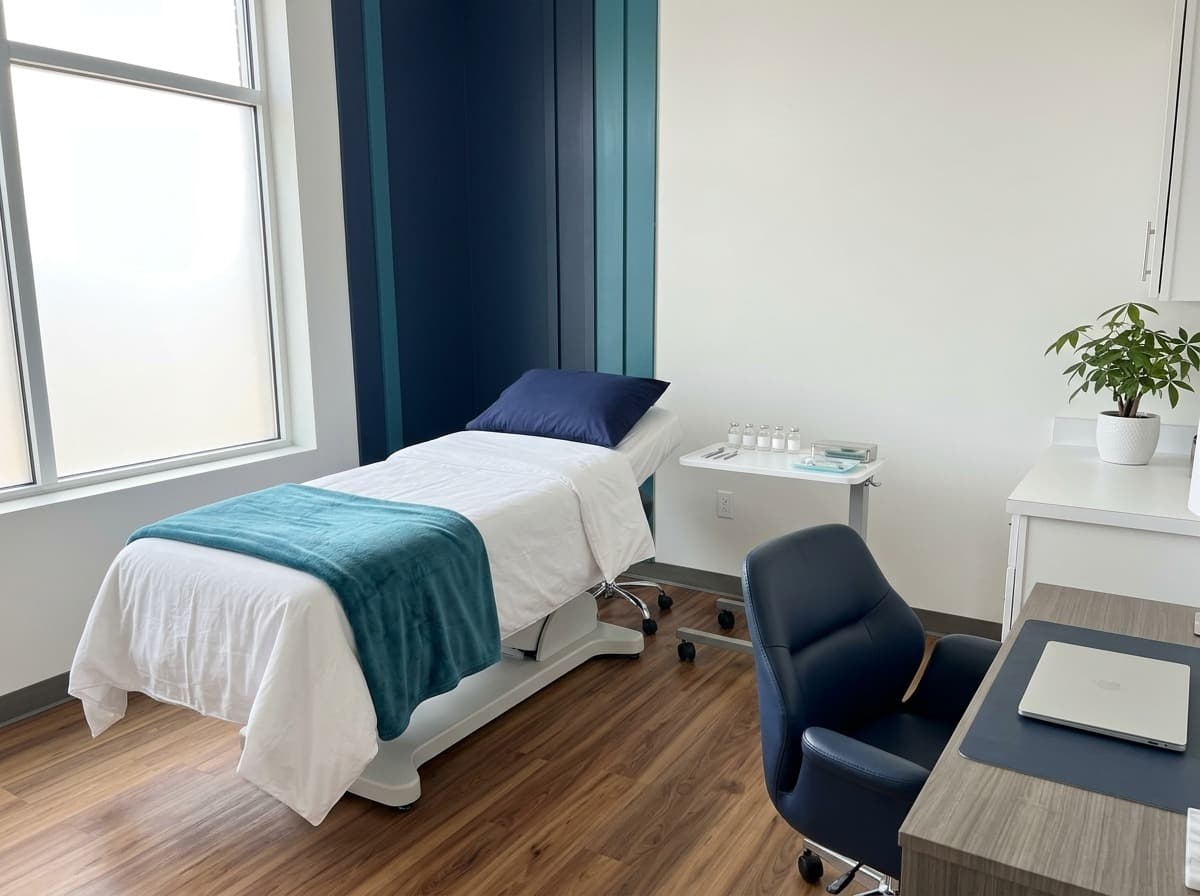
Inside our St. Louis hormone clinic


Frequently asked
Common questions
▸Where can I get menopause treatment in St. Louis?
Simply Health Integrated Medical at 12977 N Forty Dr, Suite 105, St. Louis, MO 63141 offers Evexias-informed menopause BHRT including bio-identical estradiol, progesterone, low-dose testosterone, and vaginal estradiol options. By appointment 24/7. Call (636) 590-4686.
▸What is the best treatment for menopause symptoms?
For most women with significant menopause symptoms, bio-identical hormone replacement therapy — particularly estradiol and progesterone — is the most effective option for hot flashes, night sweats, sleep, and vaginal symptoms. Lifestyle interventions for weight, sleep, and metabolic changes work alongside hormone therapy. The right combination depends on symptoms and health history.
▸Is menopause BHRT safe?
Modern bio-identical menopause BHRT has a different safety profile than the synthetic combined therapy used in some older studies. Safety depends on age, time since menopause, breast and cardiovascular history, family history, and other factors. Candidacy is reviewed during the evaluation specifically to your situation.
▸How long do menopause symptoms last?
Symptoms can persist for years and sometimes a decade or more after the last period. Hot flashes and night sweats are particularly long-lasting in many women. 'Just waiting it out' is often not a realistic plan, which is part of why BHRT evaluation is worth considering.
▸Can I start menopause BHRT years after menopause began?
BHRT can be considered later in menopause, though the risk-benefit conversation may shift depending on time since menopause, age, and health history. Most clinicians prefer earlier initiation when possible, but later initiation is still evaluable. The evaluation looks at your specific situation.
▸What happens if I never go on BHRT for menopause?
Many women navigate menopause without BHRT, particularly when symptoms are mild. For women with significant symptoms, untreated menopause can affect sleep, mood, intimacy, bone health, and quality of life for years. The decision is individual — the goal of an evaluation is to make it an informed decision, not a default one.
▸Does menopause BHRT help with weight?
BHRT can help with menopause-related body composition changes for many women, but it works best as part of a broader plan that addresses nutrition, sleep, and metabolic health. The Simply Health Method weight-loss program often runs alongside menopause BHRT when both are clinically appropriate.
▸Does insurance cover menopause BHRT?
Coverage varies. Some prescriptions and labs may be covered; pellet insertions and bundled BHRT programs typically are not. Cost is reviewed during the evaluation so you understand the full picture before committing.
Next step
Ready to find the right next step?
If this page sounds like what you are looking for, request a consultation or call the office so the team can help you choose the right starting point.